
You can't feel your bones getting thinner. There's no hot flush, no sleepless night, no warning sign. For many women, the first clue is a broken wrist after a simple fall.
That's why osteoporosis is often called a silent condition. And it's why World Osteoporosis Day is the perfect moment to talk about one of the least discussed parts of the menopause transition.
Bone loss starts earlier than you think
Oestrogen helps keep the constant process of breaking down and rebuilding bone in balance. As oestrogen falls, that balance tips towards breakdown.
The Study of Women's Health Across the Nation (SWAN), one of the largest long-term studies of midlife women, has shown exactly when this happens:
Bone loss speeds up sharply about one year before your final period.
From one year before to two years after the final period, women lost bone at about 2.5% a year at the spine and 1.8% a year at the hip.
Over ten years of follow-up, women lost about 10.6% of their spinal bone density, and most of that (7.4%) happened in that short window around the final period.
And it matters. In a later SWAN analysis, each 1% per year faster loss of spinal bone during this window was linked to a 56% higher risk of fracture later on.
In other words, perimenopause is a critical window for bone health, often years before most women think about it.
What helps
Strength and impact training
Bones respond to load. For years, women with low bone density were advised to stick to gentle exercise for fear of fractures. The Australian LIFTMOR trial challenged that.
Postmenopausal women with low or very low bone mass were randomly assigned to either eight months of twice-weekly, 30-minute supervised high-intensity resistance and impact training, or a low-intensity home programme. The high-intensity group improved bone density and physical function, and, under close supervision, had no adverse events. A follow-up found that women who continued training kept improving.
The key word is supervised. If you have low bone density, work with a qualified physiotherapist or trainer who can build up the load safely.
HRT
In the Women's Health Initiative, the largest randomised trial of HRT, women taking combined HRT had around a third fewer hip fractures than those on placebo. For many women, bone protection is one of the benefits worth weighing alongside symptom relief.
Nourish your bones
Adequate calcium, vitamin D and protein all support bone health. Most people in Ireland don't get enough vitamin D from sunlight in winter, so it's worth asking your GP or pharmacist whether a supplement is right for you.
Know your risk
Some factors increase the risk of osteoporosis: early menopause, a family history (especially a parent with a hip fracture), low body weight, smoking, heavy drinking, long-term steroid use and some medical conditions. SWAN also found that women with lower body weight lost bone faster during the transition.
If any of these apply to you, ask your GP whether a bone density (DXA) scan or a fracture risk assessment makes sense.
Questions to ask your GP
Do I have risk factors for osteoporosis?
Would a bone density scan or fracture risk assessment be useful for me?
Should bone health be part of my decision about HRT?
Do I need a vitamin D or calcium supplement?
This is why Move and Nourish are two of the six pillars of our Balance Blueprint. What you do in your forties and early fifties shapes how strong you'll be in your seventies and eighties.
Your bones are quietly listening. Give them something to work with.
Always with balance. Always with you.
Built To Last
Building Strength, Bone & Heart Health for the Years Ahead
11th April 2027
See full list of Experiences
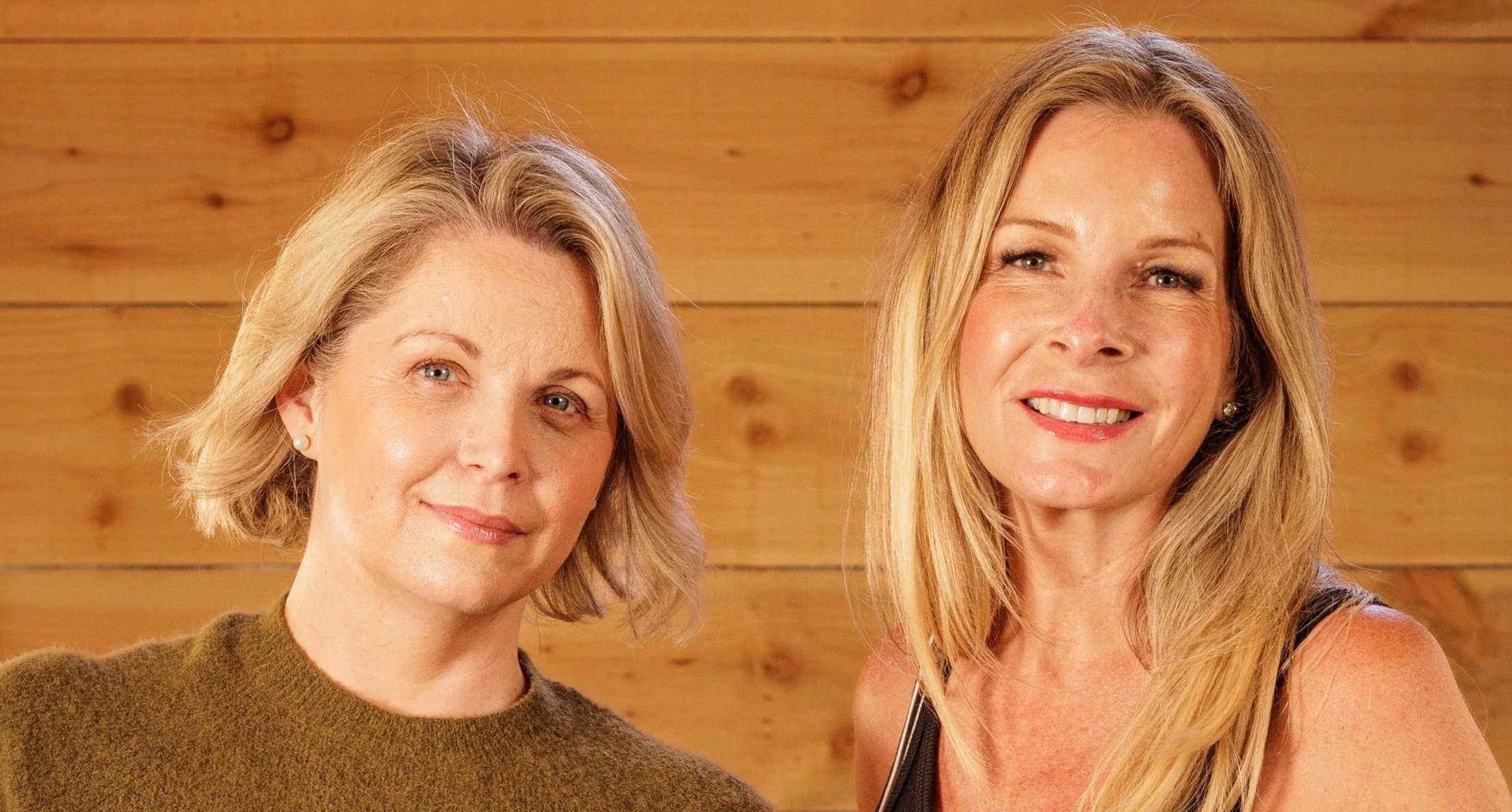
Blog by Georgie Sliney McCormack & Helen Flynn
Georgie and Helen are the co-founders of The Balance Project. Through their work, they are committed to making women's health information more accessible, informed, and empowering. They believe better conversations lead to better understanding, better support, and better outcomes for women.
