
This weekend the clocks go back. We get an extra hour in bed, and then, for many of us, the long, dark evenings arrive and our energy seems to disappear with the light.
If you're in perimenopause, you may already know that "an extra hour in bed" doesn't always mean an extra hour of sleep. So as the season turns, let's talk about one of the most common, and most underestimated, symptoms of the menopause transition: broken sleep.
You're not imagining it
Sleep problems are one of the most frequently reported symptoms of the menopause transition.
A review in Nature and Science of Sleep found that a substantial number of women struggle with sleep as they approach menopause and beyond, and around 26% have symptoms severe enough to affect their daytime functioning and meet the criteria for insomnia.
The same review found that sleep difficulties are linked to menopausal stage and to changing hormone levels, over and above the effects of simply getting older.
The Study of Women's Health Across the Nation (SWAN) followed women for more than a decade and found four distinct patterns of night-time waking across the transition. For around a third of women, waking several times a night was either increasing or consistently high.
In 2026, a further SWAN analysis in the journal Sleep found that disturbed sleep was independently linked to lower quality of life, including energy, fatigue and the ability to do everyday physical and emotional tasks, and that the effect may be stronger when night sweats are also present.
Why sleep changes
There usually isn't one single cause.
Night sweats and hot flushes are a major driver, and many of them wake you up.
Hormonal changes themselves affect sleep regulation and mood.
Low mood and anxiety can both cause and be caused by poor sleep.
Other sleep disorders, such as sleep apnoea and restless legs, become more common after menopause and are easy to miss.
Life in midlife is busy: teenagers, ageing parents, work and worry all come to bed with us.
And then the seasons change. Shorter days mean less natural light, which our body clocks rely on to keep sleep and wake times on track.
What actually helps
CBT for insomnia (CBT-I)
This is one of the best-kept secrets in menopause care. CBT-I is a structured, practical programme that retrains sleep habits and the thoughts that keep us awake.
In a randomised trial published in JAMA Internal Medicine, 106 perimenopausal and postmenopausal women with insomnia and hot flushes received either six telephone sessions of CBT-I or menopause education. After 24 weeks, 84% of women in the CBT-I group no longer had clinical insomnia, compared with 43% in the education group. Remarkably, it worked even though hot flushes were still waking some of them up.
Ask your GP whether CBT-I is available to you, either in person or through a reputable digital programme.
Treat the cause
If night sweats are what's waking you, treating them can make a big difference. That might mean HRT or a non-hormonal treatment. Talk through the options with your GP.
Rule out other problems
Loud snoring, gasping at night, or waking unrefreshed despite a full night in bed can be signs of sleep apnoea. Tell your GP if this sounds like you.
Work with the season
Get morning light. A walk outside early in the day helps anchor your body clock, especially as the mornings get darker.
Keep your timing steady. Going to bed and getting up at roughly the same time, even at weekends, helps your sleep settle after the clocks change.
Keep the bedroom cool. Lighter layers and breathable bedding help with night sweats.
Go easy on late caffeine and alcohol. Both can fragment sleep, and alcohol can trigger flushes.
Notice that "sleep hygiene" tips alone are rarely enough for established insomnia. They're a helpful foundation, but if you've been sleeping badly for months, ask for more.
Questions to ask your GP
Could my sleep problems be linked to perimenopause?
Would treating my night sweats help, and what are my options?
Can I be referred for, or pointed towards, CBT for insomnia?
Could I have another sleep problem, such as sleep apnoea?
Rest is one of the six pillars of our Balance Blueprint for a reason. Sleep isn't a luxury. It underpins mood, memory, pain, weight, heart health and how well we cope with everything else.
As the evenings draw in, be gentle with yourself, and don't accept broken nights as just something to put up with.
Always with balance. Always with you.

In Her Prime
A Luxury Hormone Health & Menopause Wellness Retreat
21st to 23rd March 2027
Deerstone Eco Retreat, Wicklow

Mastering The Transition
Hormone Health, Perimenopause & Menopause One-Day Workshop
7th March 2027 / 6th June 2027
See full list of Experiences
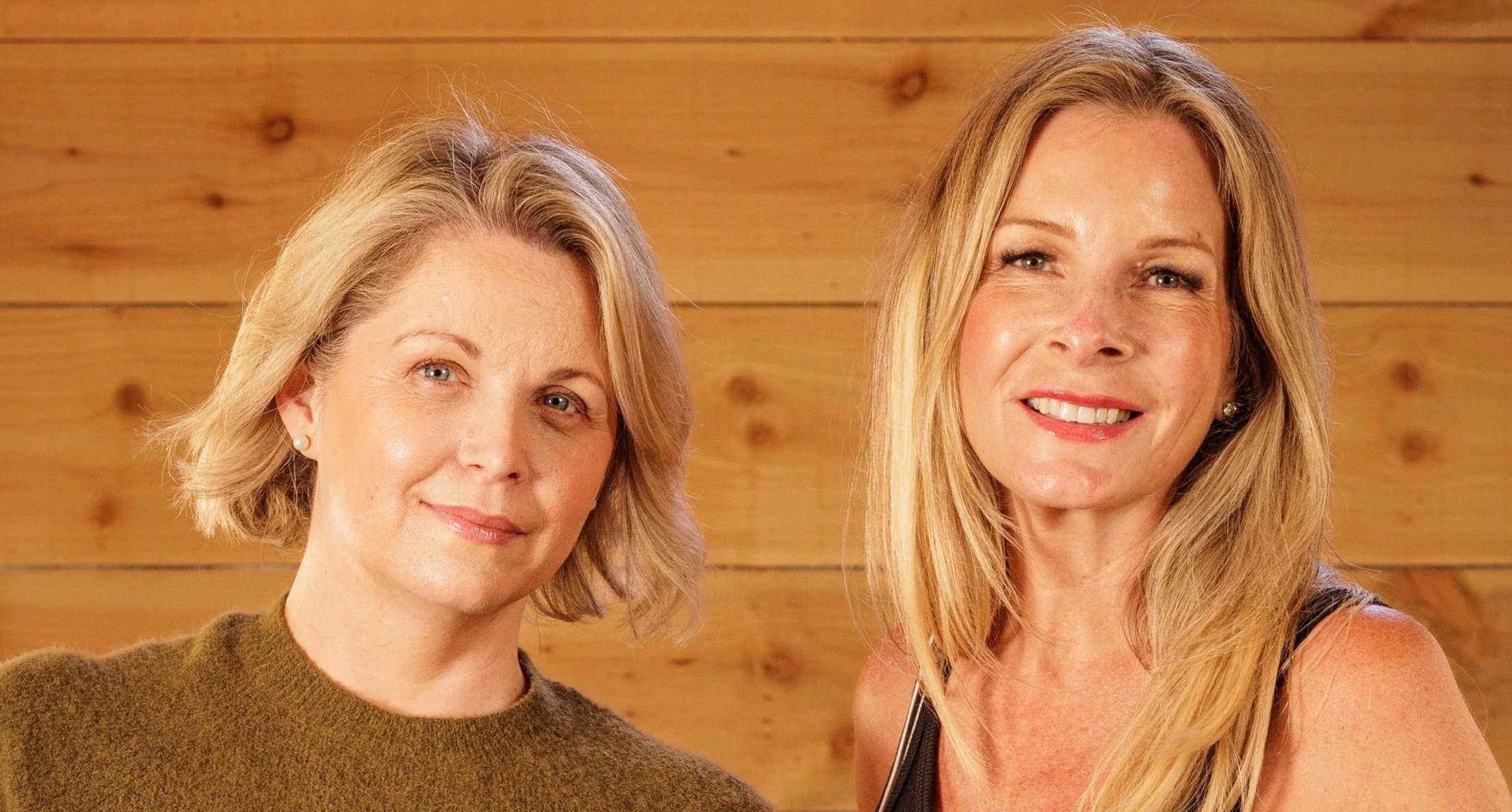
Blog by Georgie Sliney McCormack & Helen Flynn
Georgie and Helen are the co-founders of The Balance Project. Through their work, they are committed to making women's health information more accessible, informed, and empowering. They believe better conversations lead to better understanding, better support, and better outcomes for women.
