
The racing thoughts at 3am. The tears that come out of nowhere. The flash of irritation that feels completely out of character. The sense that you've lost your spark, or your confidence, or yourself.
At our workshops, we hear these stories again and again. And very often, they come with a question: Is it me? Am I just not coping?
This World Mental Health Day, we want to say clearly: for many women, these feelings are linked to hormones. They are real, they are common, and there is help.
What the research tells us
In 2024, researchers at University College London published a systematic review and meta-analysis in the Journal of Affective Disorders looking at depression across the stages of menopause. Pooling seven studies involving more than 9,000 women from several countries, they found that women in perimenopause were around 40% more likely to experience depressive symptoms or a diagnosis of depression than women who had not yet reached that stage. Interestingly, the risk was not significantly higher for women after menopause.
The researchers made an important point: because the studies came from very different countries, the finding is unlikely to be explained by culture or lifestyle alone. Perimenopause itself appears to be a window of vulnerability.
A second 2024 meta-analysis in the same journal, bringing together 55 studies and more than 76,000 women worldwide, concluded that depression is common among menopausal women everywhere, though the exact figures varied a lot between studies.
Why might this happen?
Perimenopause isn't a gentle, steady decline in hormones. It's often a bumpy ride, with oestrogen and progesterone rising and falling unpredictably. These hormones affect brain chemistry, sleep and stress responses, so it isn't surprising that mood can be affected too.
But hormones are only part of the picture. Night sweats wreck sleep, and poor sleep affects mood. Midlife is also often the busiest, most pressured time of life: caring for children and parents, demanding jobs, relationship changes. It's the combination that can feel overwhelming.
What helps?
The right support depends on you, and it is always worth a proper conversation with your GP. But it helps to know what the options are.
HRT. In Ireland and the UK, menopause guidance from NICE (updated in 2024) recognises that HRT can help with low mood that comes with the menopause, alongside other symptoms.
Cognitive behavioural therapy (CBT). The same guidance supports CBT as an option for menopause-related low mood and anxiety. CBT doesn't pretend symptoms are imaginary; it gives you practical tools for managing them.
Treating depression as depression. Perimenopause doesn't cancel out other causes of low mood. If you have clinical depression, it deserves proper treatment, which may include antidepressants. What matters is that you're properly assessed, not that one option is automatically chosen.
The basics, done kindly. Movement, sleep, connection and time outdoors are not a cure, but they make a real difference to how resilient we feel.
Be wary of the quick fix
As we wrote earlier this month, menopause content online is full of confident claims and very few sources. Supplements promising to "balance your hormones" or "fix your mood" are everywhere. If something promises a miracle, pause before you buy. Bring your questions to someone qualified who has nothing to sell you.
Four questions to take to your GP
Could my mood changes be linked to perimenopause?
Can we go through a menopause symptom checklist together?
What are my options, including HRT, talking therapies and other treatments?
When should I come back if things aren't improving?
You are not "just not coping". You may be going through one of the biggest hormonal transitions of your life, often while holding everything and everyone else together. That deserves care.
Always with balance. Always with you.
If you are struggling right now, please talk to your GP. If you are in crisis, you can contact Samaritans any time, day or night, free on 116 123, or go to your nearest emergency department.

In Her Prime
A Luxury Hormone Health & Menopause Wellness Retreat
21st to 23rd March 2027
Deerstone Eco Retreat, Wicklow
Mastering The Transition
Hormone Health, Perimenopause & Menopause One-Day Workshop
7th March 2027 / 6th June 2027
See full list of Experiences
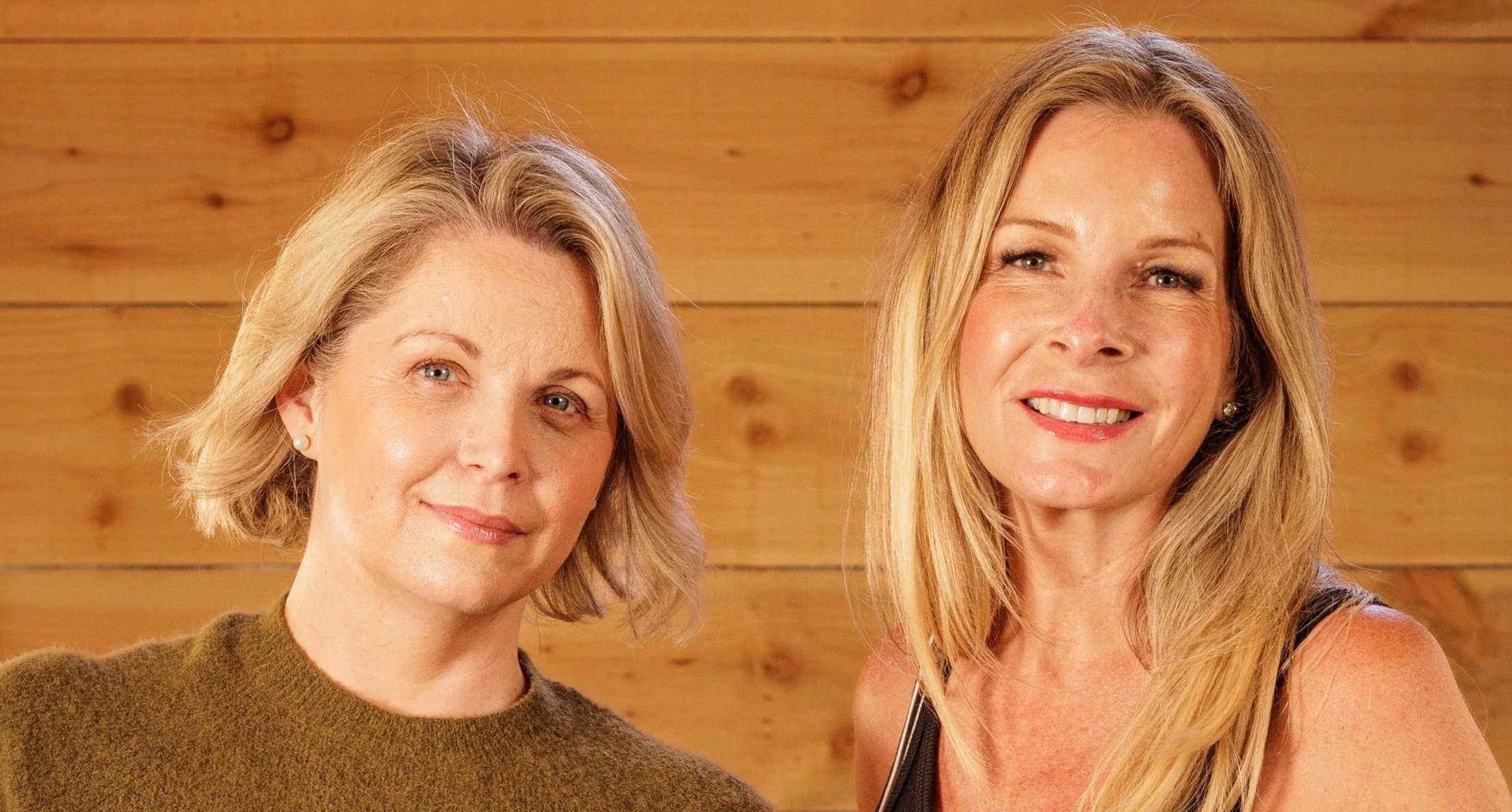
Blog by Georgie Sliney McCormack & Helen Flynn
Georgie and Helen are the co-founders of The Balance Project. Through their work, they are committed to making women's health information more accessible, informed, and empowering. They believe better conversations lead to better understanding, better support, and better outcomes for women.
