
There's a reason we Irish talk about the weather so much. Between October and March, most of us barely see the sun, and when we do, we're usually wrapped up in three layers.
That matters for more than our mood. Our bodies make most of their vitamin D when sunlight hits our skin. Here in Ireland, we sit far enough north that, for a good chunk of the year, the sun simply isn't strong enough for that to happen. So this week, as we head into the darkest stretch of the year, let's talk about vitamin D.
Why vitamin D matters, especially in midlife
Vitamin D helps our bodies absorb calcium, and it's essential for healthy bones. It's also thought to play a part in muscle strength.
For women, bone health becomes a much bigger conversation as we move through menopause. Falling oestrogen speeds up bone loss, which is why osteoporosis is so much more common in women after menopause. Bone isn't something we can see or feel changing, so it's easy to put to the back of the list. That's exactly why it deserves a spot at the front.
What the Irish research tells us
The best Irish data comes from TILDA, The Irish Longitudinal Study on Ageing at Trinity College Dublin. Researchers measured vitamin D levels in more than 5,300 adults aged 50 and over across Ireland. What they found was striking:
One in eight were deficient in vitamin D overall, rising to around one in four in winter.
Even in summer, about 5% were deficient.
In winter and spring, 61% of women had levels classed as insufficient, a lower bar than deficiency but still below the recommended range.
Very few were doing anything about it. Only 8.5% of over-50s took a vitamin D supplement. Women were more likely to than men (13% versus 4%), but that's still a small minority.
It doesn't have to be this way. The researchers pointed to Finland, which is further north and gets less sunlight than Ireland, yet has far lower rates of deficiency thanks to a national policy of fortifying foods and encouraging supplements.
The study looked at people over 50, but the underlying problem, too little winter sun, applies to all of us living this far north.
What you can do
Eat your vitamin D. Oily fish such as salmon, mackerel and sardines, eggs, and fortified foods (some milks, cereals and spreads) all help. Check labels; fortification varies from brand to brand.
Check the current guidance on supplements. The HSE and the Food Safety Authority of Ireland publish advice on vitamin D supplements for adults. Read it, and if you're not sure what's right for you, ask your GP or pharmacist rather than guessing a dose.
Ask about your bones. If you're in perimenopause or menopause, or have a family history of osteoporosis, ask your GP whether you'd benefit from a closer look at your bone health.
Get outside anyway. A winter walk won't do much for your vitamin D, but daylight still helps your sleep and mood. (We'll come back to why time in nature matters at the end of the month.)
Why this matters to us
Nourish is one of the six pillars of our Balance Blueprint. For us, it's never about rules or restriction. It's about understanding what your body needs at each stage of life, so you can make informed choices with confidence.
Our 2027 schedule is now live, with workshops, community events and our In Her Prime retreat from 21 to 23 March. Take a look and find the right one for you.
This article is for information only and is not a substitute for advice from your own doctor or pharmacist.
Georgie and Helen x
Always with balance. Always with you.

In Her Prime
A Luxury Hormone Health & Menopause Wellness Retreat
Deerstone Eco Retreat, Wicklow
Mastering The Transition
Hormone Health, Perimenopause & Menopause One-Day Workshop
See full list of Experiences
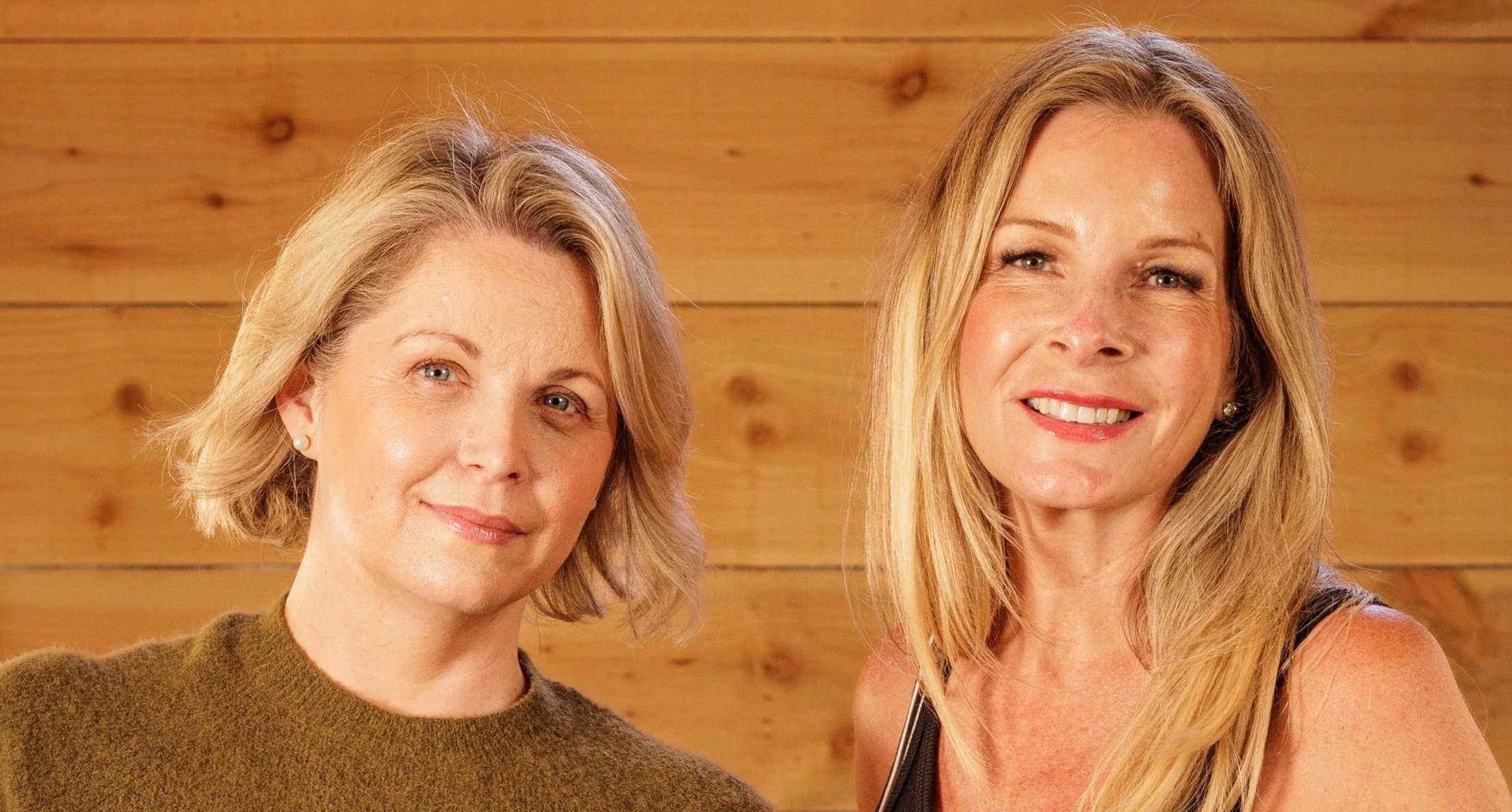
Blog by Georgie Sliney McCormack & Helen Flynn
Georgie and Helen are the co-founders of The Balance Project. Through their work, they are committed to making women's health information more accessible, informed, and empowering. They believe better conversations lead to better understanding, better support, and better outcomes for women.
