
Last weekend we all got our extra hour in bed. By Monday, most of us had already lost it again.
November in Ireland is dark. It's dark when the alarm goes off, and it's dark again by the time we're heading home. For women in perimenopause and menopause, this can also be the month when broken sleep really starts to bite. Night sweats. Waking at 3am with a racing mind. Lying there doing the maths on how many hours are left before the alarm. If that sounds familiar, you are in very good company. We want to talk about sleep this week because there is genuinely good news here, and it's not the news most of us expect.
Sleep and the menopause transition
Sleep comes up at almost every one of our events. Sometimes it's hot flushes that wake women. Sometimes sleep just becomes lighter and more fragile than it used to be. And poor sleep has a knock-on effect on everything else: mood, energy, patience, concentration, and how well we cope with whatever the day throws at us.
When we're exhausted, it's natural to reach for a quick fix. But one of the best-evidenced treatments for menopause-related insomnia doesn't come in a packet.
What the research tells us
CBT for insomnia works for women in menopause. In a randomised trial published in JAMA Internal Medicine, 106 peri- and postmenopausal women with insomnia and at least two hot flushes a day had six short phone sessions over eight weeks. Women who received cognitive behavioural therapy for insomnia (CBT-I) improved far more than women given menopause education. After eight weeks, 70% of the CBT-I group were sleeping in the "no insomnia" range, compared with 24% of the comparison group. By six months, that had risen to 84%.
It helped with hot flushes too. The women who had CBT-I also said their hot flushes interfered less with daily life, even though the therapy wasn't designed to stop them.
It's now in the guidelines. In its 2024 update, NICE (the UK's National Institute for Health and Care Excellence) recommended that menopause-specific CBT be considered for sleep problems, low mood and hot flushes. It can be used alongside HRT, or by women who can't take HRT or would prefer not to.
In other words, this isn't a "nice to have". It's an evidence-based treatment that sits alongside the medical options, not instead of them.
What CBT for insomnia actually involves
CBT-I isn't about lying on a couch talking through your childhood. It's practical, and some of it may surprise you:
Get up at the same time every day, weekends included, even after a bad night.
Keep the bed for sleep (and sex) only. No scrolling, no emails, no lying there worrying. If you're still awake after about 20 minutes, get up, do something calm in dim light, and go back to bed when you feel sleepy.
Don't try to "catch up" by lying in. It sounds backwards, but spending less time awake in bed helps rebuild a stronger drive to sleep.
Question the 3am thoughts. One bad night feels catastrophic in the moment. It rarely is.
And for November in particular, get out into daylight in the morning, even for ten minutes. A walk on the way to work or a cuppa by the window helps set your body clock for the day.
If sleep has been a problem for a while, please talk to your GP. Ask about CBT for insomnia, and ask whether your symptoms could be linked to perimenopause or menopause. You are entitled to ask both questions.
Why this matters to us
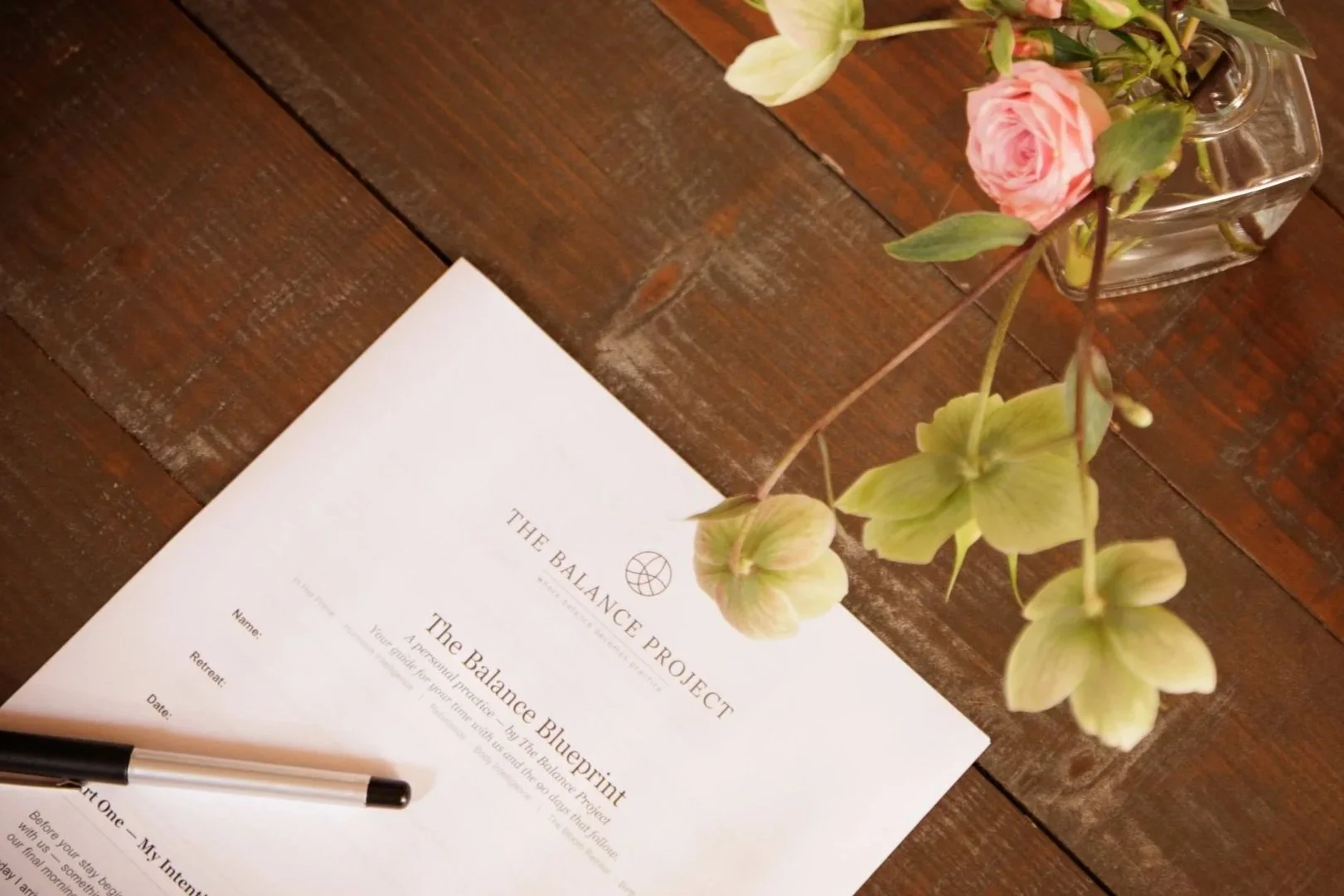
Rest is one of the six pillars of our Balance Blueprint, and it's so often the one we put last. We get it. When you're juggling work, children, parents and everything in between, sleep is the first thing to go. That's exactly why we built In Her Prime, our clinician-led residential retreat, around giving you the time and space to look after yourself properly. Our 2027 retreat runs from 21 to 23 March at Deerstone Luxury Eco Lodge, and places are limited. Find out more and book your place here or book below.
This article is for information only and is not a substitute for advice from your own doctor.
Georgie and Helen x
Always with balance. Always with you.

In Her Prime
A Luxury Hormone Health & Menopause Wellness Retreat
21st to 23rd March 2027
Deerstone Eco Retreat, Wicklow
Mastering The Transition
Hormone Health, Perimenopause & Menopause One-Day Workshop
7th March 2027 / 6th June 2027
See full list of Experiences
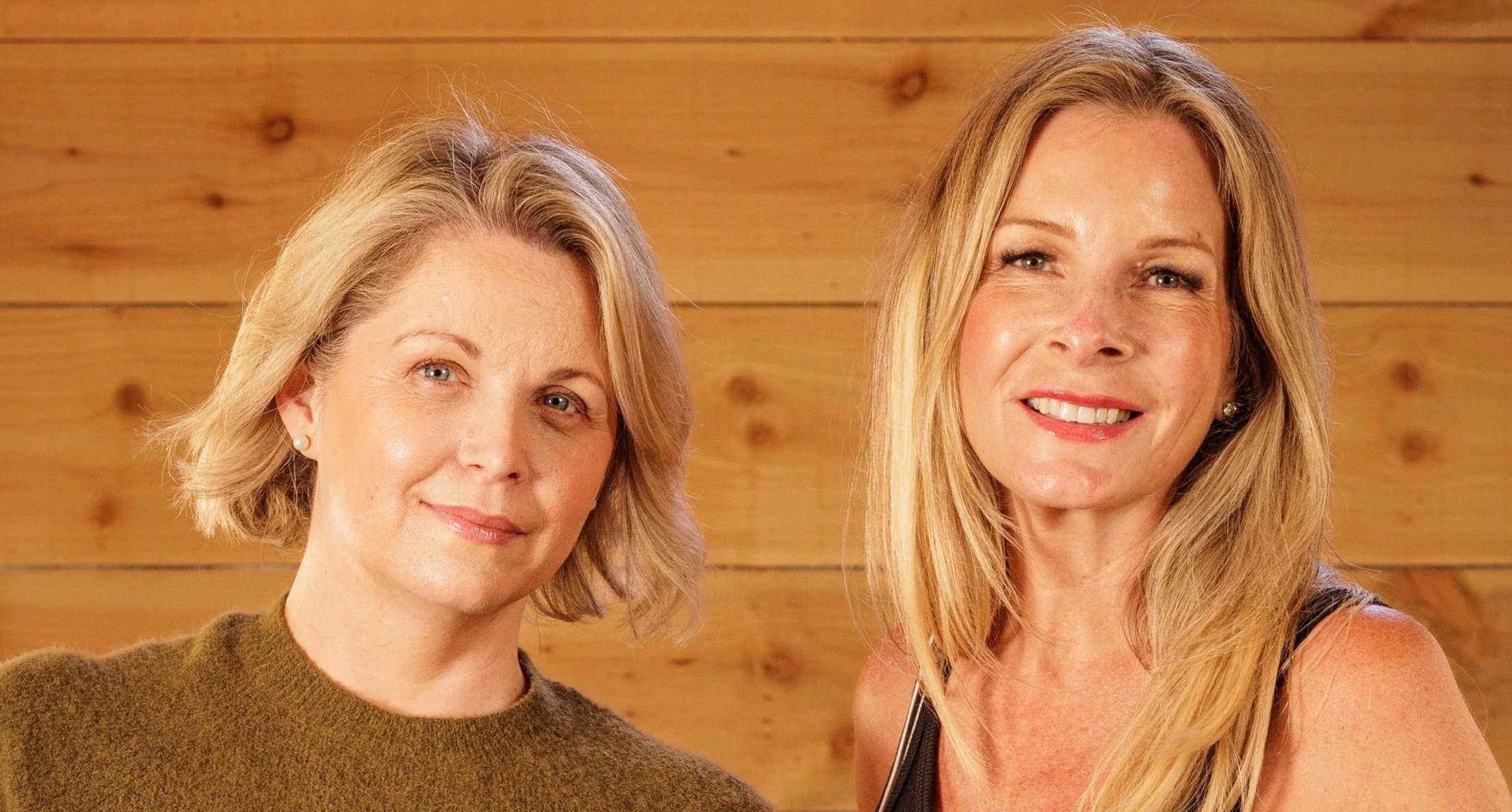
Blog by Georgie Sliney McCormack & Helen Flynn
Georgie and Helen are the co-founders of The Balance Project. Through their work, they are committed to making women's health information more accessible, informed, and empowering. They believe better conversations lead to better understanding, better support, and better outcomes for women.
