
Last month, we wrote about the debate over whether menopause should be classed as a disease. It struck a chord, and a lot of you got in touch. So this week we want to look at the other side of that conversation, because it comes from one of the most respected medical journals in the world.
In 2024, The Lancet published its first-ever series dedicated to menopause. Four papers, written by an international group of experts. Their central message surprised a lot of people: menopause should be seen as part of healthy ageing, not as a disease to be fixed.
What the series argued
The first paper, led by Professor Martha Hickey of the University of Melbourne, set out what the authors called an empowerment model for menopause. Their key points were:
Most women navigate menopause without needing medical treatment.
Treating menopause purely as a hormone deficiency can be disempowering. The authors argued it can lead to over-treatment, and to overlooking the positives some women experience, such as better mental health with age and freedom from periods and contraception.
Women deserve accurate, impartial information. The series called for clear, evidence-based information, free from commercial influence, so that women can make their own informed decisions.
Some women are being let down. The series highlighted that women who go through early menopause, or menopause caused by cancer treatment, often don't get the care they need.
The authors were also critical of how menopause is portrayed in the media. They felt the focus on the most extreme negative experiences can leave women dreading this stage of life before it even arrives.
Not everyone agreed
To be fair to both sides, the series had its critics. Some menopause specialists argued that it underplayed how much women suffer, and that menopause has real, long-term effects on heart and bone health. Others pointed out that empowerment has been central to menopause care for years.
Those disagreements are real, and they matter. Women with severe symptoms need to be heard and treated, and no one should be talked out of treatment that helps them.
Where we land
Here's what strikes us. Whichever side of this debate you lean towards, both arrive at the same place: women need better information.
That's the gap we see again and again. Women who don't recognise their own symptoms. Women who are frightened by what they've read online. Women who aren't sure what to ask when they finally get to the GP. In Ireland, around 90% of menopause care happens in general practice, so that conversation with your GP is everything.
Empowerment, for us, isn't a choice between "medicalise everything" and "just get on with it". It's knowing enough about your own body to make the decision that is right for you, and having a healthcare professional across the desk who knows enough to help you make it.
How you can help change things
This is exactly why we partnered with RCSI on Project CHIME (Creating Holistic & Inclusive Menopause Education). The project gathers real women's experiences of perimenopause, menopause and postmenopause, to help shape a new module that will train doctors in menopause care.
The survey is completely anonymous and has no closing date. If you've been through any stage of this transition, good or bad, your story can make a real difference to the women who come after you. Share your experience here. And if you want to be empowered about your own health, check out our programmes below.
This article is for information only and is not a substitute for advice from your own doctor.
Georgie and Helen x
Always with balance. Always with you.

In Her Prime
A Luxury Hormone Health & Menopause Wellness Retreat
Deerstone Eco Retreat, Wicklow
Mastering The Transition
Hormone Health, Perimenopause & Menopause One-Day Workshop
See full list of Experiences
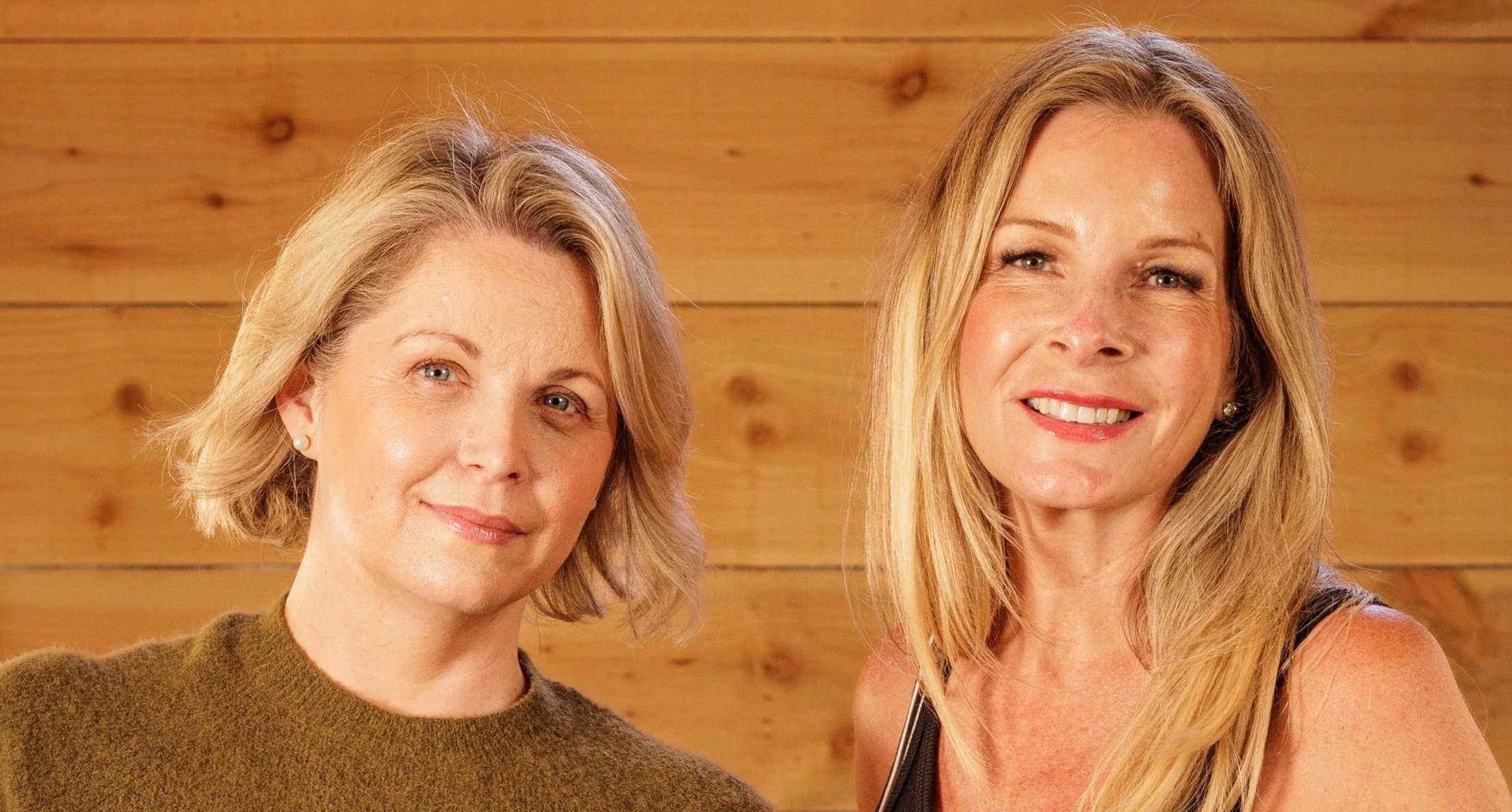
Blog by Georgie Sliney McCormack & Helen Flynn
Georgie and Helen are the co-founders of The Balance Project. Through their work, they are committed to making women's health information more accessible, informed, and empowering. They believe better conversations lead to better understanding, better support, and better outcomes for women.
