
If you're a woman over 40, you've probably been told at some point to "take it easy" with exercise. A gentle walk. A bit of stretching. Nothing too strenuous.
We'd like to gently push back on that. Because the research tells a very different story, and it's one every woman in midlife deserves to hear.
Why strength matters more as we age
As we move through the menopause transition, two things happen that we can't see. Falling oestrogen speeds up bone loss. And, according to the American Heart Association, the loss of lean muscle becomes more pronounced during this time too.
Strong bones and muscles are what keep us independent later in life. They help us carry the shopping, lift a grandchild, get up off the floor, and recover if we take a tumble. Building and protecting them now is one of the best investments we can make in our future selves.
The trial that changed the conversation
For years, women with low bone density were steered away from heavy lifting, out of fear that it might cause a fracture. A team in Australia decided to test that assumption properly.
The LIFTMOR trial, published in the Journal of Bone and Mineral Research, recruited 101 postmenopausal women with low bone mass (osteopenia or osteoporosis). Their average age was 65. Half did a supervised, high-intensity resistance and impact programme: 30 minutes, twice a week, for eight months. The other half did a gentle, low-intensity programme at home.
The results:
Bone density in the spine went up by almost 3% in the lifting group. In the home exercise group, it went down by just over 1%.
Bone density at the hip was maintained in the lifting group, but fell in the comparison group.
The lifting group got stronger and moved better on every test of physical function, and they even gained a little height.
It was safe. Across the whole trial, there was just one adverse event: a minor back spasm. And the women stuck with it, attending 92% of sessions.
These were women who'd been told to be careful. Under expert supervision, they lifted heavy weights, and their bones were better for it.
What this means for you
The key word in that trial is supervised. The women were coached carefully, and the weights were built up gradually. So please don't head to the gym tomorrow and try to deadlift your body weight!
Instead:
Find a qualified coach or physiotherapist who can teach you good technique and build your programme safely.
Aim for twice a week. Even 30 minutes made a real difference in this trial.
Progress gradually. Bone responds to load, so over time the challenge needs to increase.
Talk to your GP first if you have osteoporosis, a previous fracture, or another health condition.
It's never too late to start, and you don't need to be "sporty". Strength is for every woman.
Why this matters to us
Move is one of the six pillars of our Balance Blueprint. For us, movement isn't about punishing workouts or chasing a certain look. It's about building a body that carries you well through every stage of life.
At In Her Prime, movement is built for real women at every fitness level, alongside clinicians who understand what your body is going through. Join us from 21 to 23 March 2027 at Deerstone Luxury Eco Lodge. Find out more and book your place here.
This article is for information only and is not a substitute for advice from your own doctor or physiotherapist.
Georgie and Helen x
Always with balance. Always with you.

In Her Prime
A Luxury Hormone Health & Menopause Wellness Retreat
Deerstone Eco Retreat, Wicklow
Mastering The Transition
Hormone Health, Perimenopause & Menopause One-Day Workshop
See full list of Experiences
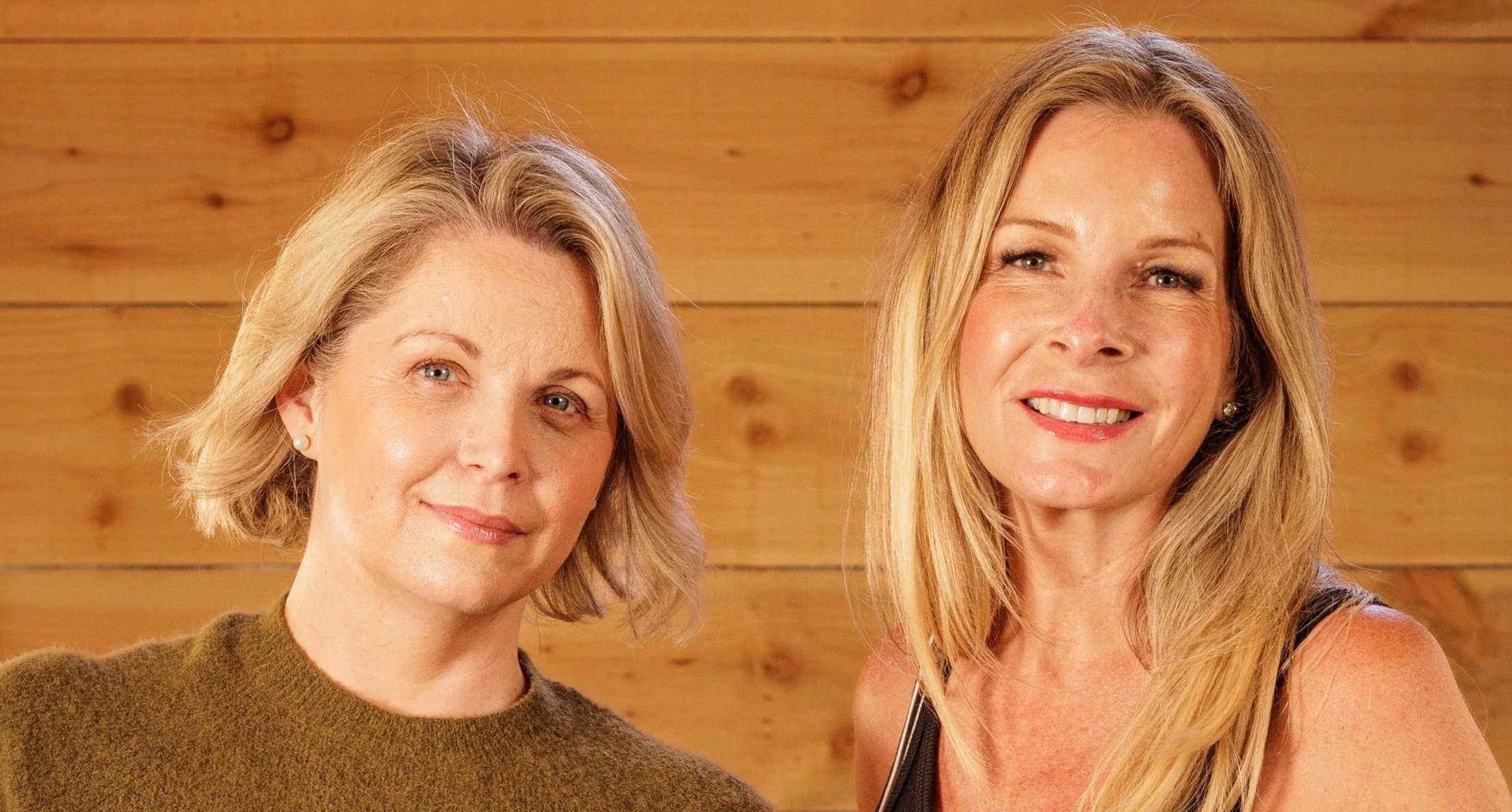
Blog by Georgie Sliney McCormack & Helen Flynn
Georgie and Helen are the co-founders of The Balance Project. Through their work, they are committed to making women's health information more accessible, informed, and empowering. They believe better conversations lead to better understanding, better support, and better outcomes for women.
