
If we asked you what the biggest threat to women's health is, what would you say?
Most of us would say breast cancer. It's the one we talk about, raise money for and worry about. But the leading cause of death in women is actually heart disease. And yet a US survey found that only around half of women knew that.
What almost nobody tells us is that the menopause transition is a turning point for our hearts. So this week, let's talk about it.
What happens to your heart during the transition
In 2020, the American Heart Association published its first ever scientific statement on menopause and heart health. Its message was clear: the menopause transition is a time of accelerating cardiovascular risk, and midlife is a critical window to do something about it.
Here's what the experts found:
Cholesterol changes, and it's not just about getting older. Increases in LDL ("bad") cholesterol and the risk of metabolic syndrome during midlife are driven more by the menopause transition than by ageing itself.
Our shape changes on the inside. Fat around the middle and around our organs (visceral fat) tends to increase, while lean muscle decreases. Visceral fat is linked with a higher risk of heart disease, even in women whose weight hasn't changed.
Symptoms can be a signal. Hot flushes and night sweats are associated with less favourable heart health risk factors.
Mood matters too. Depression and anxiety are more common in perimenopause, and depressive symptoms during the transition are linked to higher cardiovascular risk.
Timing matters. Women who reach menopause earlier tend to have a higher risk of heart disease later on.
As our oestrogen levels fall, we lose some of the protection it may have given our hearts. That's not a reason to panic. It's a reason to pay attention.
The good news: this is a window, not a sentence
The same statement found that lifestyle changes during the menopause transition can make a real difference. Although the trial evidence is still limited, programmes combining diet and exercise helped prevent weight gain and lowered blood pressure, blood sugar and blood fats.
On HRT, the evidence suggests that starting it before the age of 60, or within 10 years of menopause, is linked with lower cardiovascular risk. But HRT isn't right for everyone, and it's a decision to make with your doctor, based on your own health and history.
What you can do now
The evidence suggests, every woman in her 40s and 50s should be encouraged to do this:
Know your numbers. Ask your GP or practice nurse to check your blood pressure, cholesterol and blood sugar, and ask what the results mean for you.
Mention your menopause history. Tell your GP if you went through menopause early, or if you're having a lot of hot flushes or night sweats. It's all part of the picture.
Move every day, and lift things. Daily movement and strength training both protect your heart (see last week's article on strength).
Look after your sleep and your mood. Both affect heart health, and both are worth raising with your GP if you are struggling.
Why this matters to us
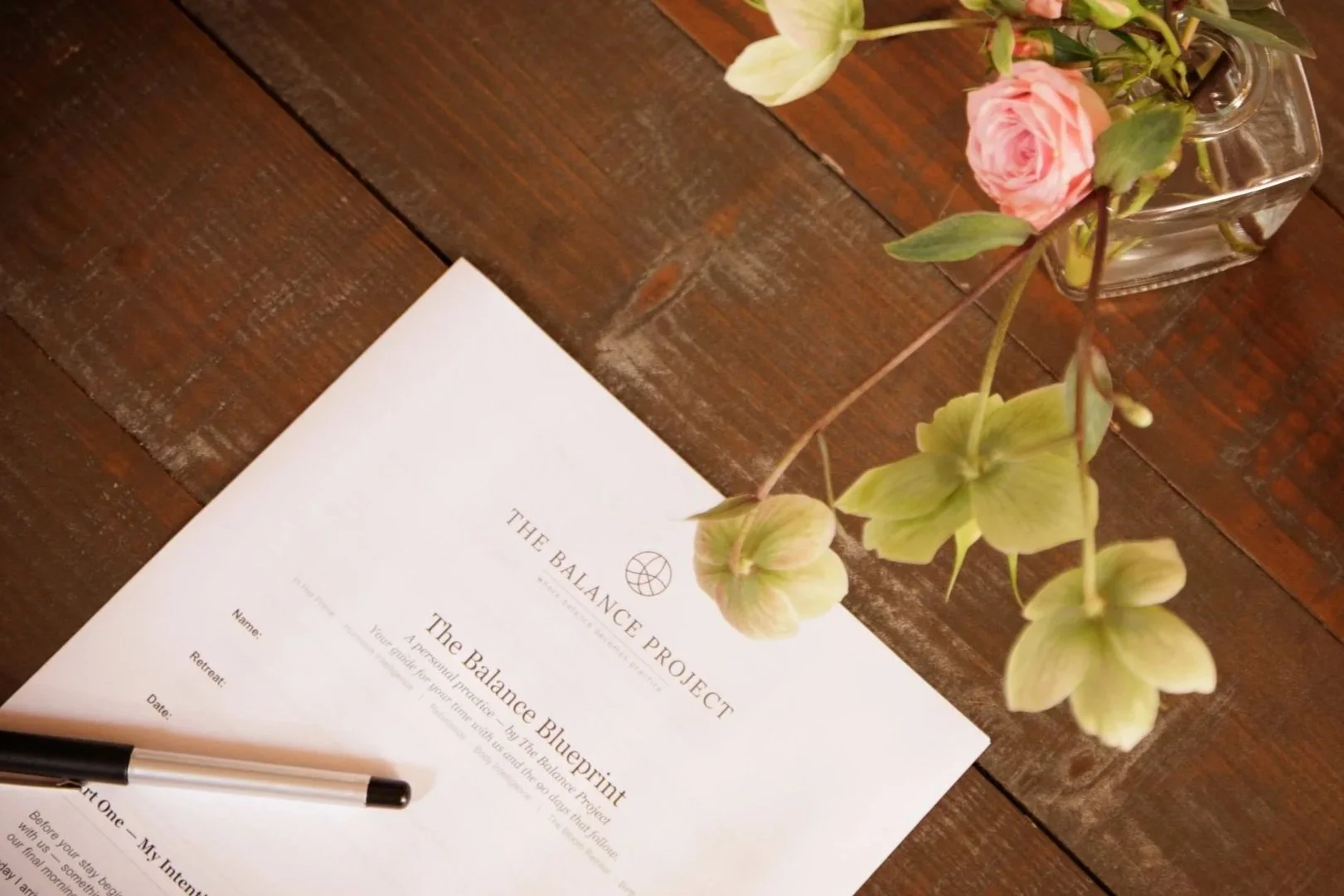
Learn is one of the six pillars of our Balance Blueprint, because you can't look after what you don't understand. Our workshops are designed to give you the knowledge, and the right questions, to take into that conversation with your GP.
Our 2027 schedule is now live, including our In Her Prime retreat from 21 to 23 March. See what's coming up.
This article is for information only and is not a substitute for advice from your own doctor. If you have chest pain or other symptoms of a heart attack, call 999 or 112.
Georgie and Helen x
Always with balance. Always with you.

In Her Prime
A Luxury Hormone Health & Menopause Wellness Retreat
Deerstone Eco Retreat, Wicklow
Mastering The Transition
Hormone Health, Perimenopause & Menopause One-Day Workshop
See full list of Experiences
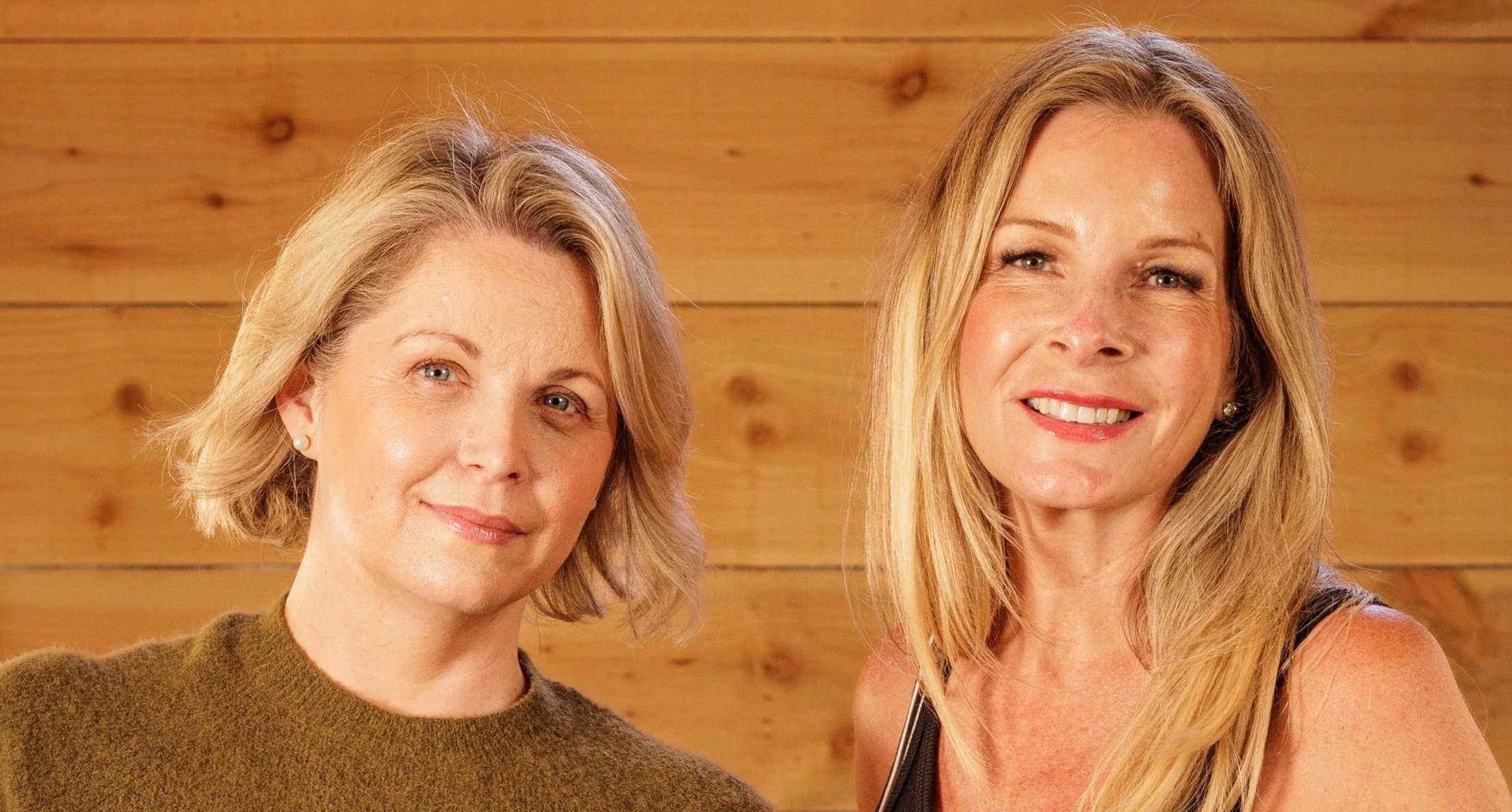
Blog by Georgie Sliney McCormack & Helen Flynn
Georgie and Helen are the co-founders of The Balance Project. Through their work, they are committed to making women's health information more accessible, informed, and empowering. They believe better conversations lead to better understanding, better support, and better outcomes for women.
