
Confidence Starts at Age 10: Why Periods Shouldn't Push Girls Out
Somewhere between the ages of 10 and 14, many girls quietly start to step back. From the swimming pool. From the hockey pitch. From putting their hand up in class. From the activities they loved a year or two earlier.
There are lots of reasons. But one of them is something that happens to roughly half the population every month, and that we still find remarkably hard to talk about: periods.
This International Day of the Girl, we want to make the case for starting hormone and period education early, openly and practically, so that girls feel confident rather than caught out.
Periods and sport: the numbers
A recent study from Federation University in Australia, published in the Journal of Science and Medicine in Sport, asked girls aged 10 to 16 involved in organised sport how their periods affected them. Nearly two-thirds (62.8%) had missed training because of their period, a third had missed competitions, and almost one in five (18.1%) had considered quitting sport altogether.
The researchers were clear that the problem isn't periods themselves. It's the silence, stigma and lack of practical support around them: worries about leaks, changing rooms, uniforms, and not knowing how coaches or teachers would react.
In the UK, a large survey of more than 4,000 teenage girls by the charity Women in Sport found that around seven in ten avoided sport during their period. Among girls who had been sporty at primary school, the figure was even higher.
We know how important sport and movement are for girls' physical health, mental health, confidence and friendships. Losing them over something so normal is a loss we can prevent.
Why preparation matters
Research on girls' experiences of their first period (menarche) consistently points in the same direction. A systematic review of qualitative studies, published in the Journal of Clinical Nursing, identified preparation, and how the people around a girl respond, as key parts of how she experiences her first period. Other reviews have found that girls who are well prepared beforehand tend to feel more positive about periods and manage them more confidently.
In other words: the conversation needs to happen before the first period, not after it.
The gap in Ireland
Ireland's schools curriculum was updated last year, for the first time in 25 years, moving the "period talk" earlier. That's a welcome change, because many girls were getting their first period before they'd had any education about it.
But there are still gaps:
In many schools, the period talk and the sex education talk still happen together, often on the same day. That can add to embarrassment and make it harder for girls to ask the questions they really have.
Schools tend to cover the biology, but not the practical and emotional side: what's normal pain and what isn't, how long a cycle usually lasts, what changes in colour or flow mean, how hormones affect mood, skin and energy, and how to talk about it at home.
Myths persist: that you can't swim or play sport on your period, or that severe pain, bleeding through clothes or fainting are just "normal". They're not, and girls deserve to know when to ask for help.
What parents, schools and clubs can do
Start early and keep it ordinary. From around age 10, small, regular conversations work better than one big talk.
Use the real words. Accurate language reduces shame and helps girls describe what's happening to them.
Make it practical. Products, what to pack, what to do if you leak at school or training.
Normalise playing on. Clubs and schools can make products available, be flexible about uniforms and make it easy to say "I'm on my period" without fuss.
Know the red flags. Very heavy bleeding, pain that stops her doing normal things, or fainting are reasons to see a GP.
Why we do this
This is the heart of Own It!, our clinician-led workshop for parents and teens, and of our new programme for schools. We bring together specialists so families leave with real, practical knowledge, not just biology. Parents and teens learn separately and then together, so the conversation can carry on at home.
We believe hormone confidence built at 10 lasts a lifetime. It shapes how a girl looks after her health as a teenager, and how prepared she'll feel decades later when perimenopause arrives.
Let's make sure no girl steps back from something she loves because nobody talked to her about her period.
Always with balance. Always with you.
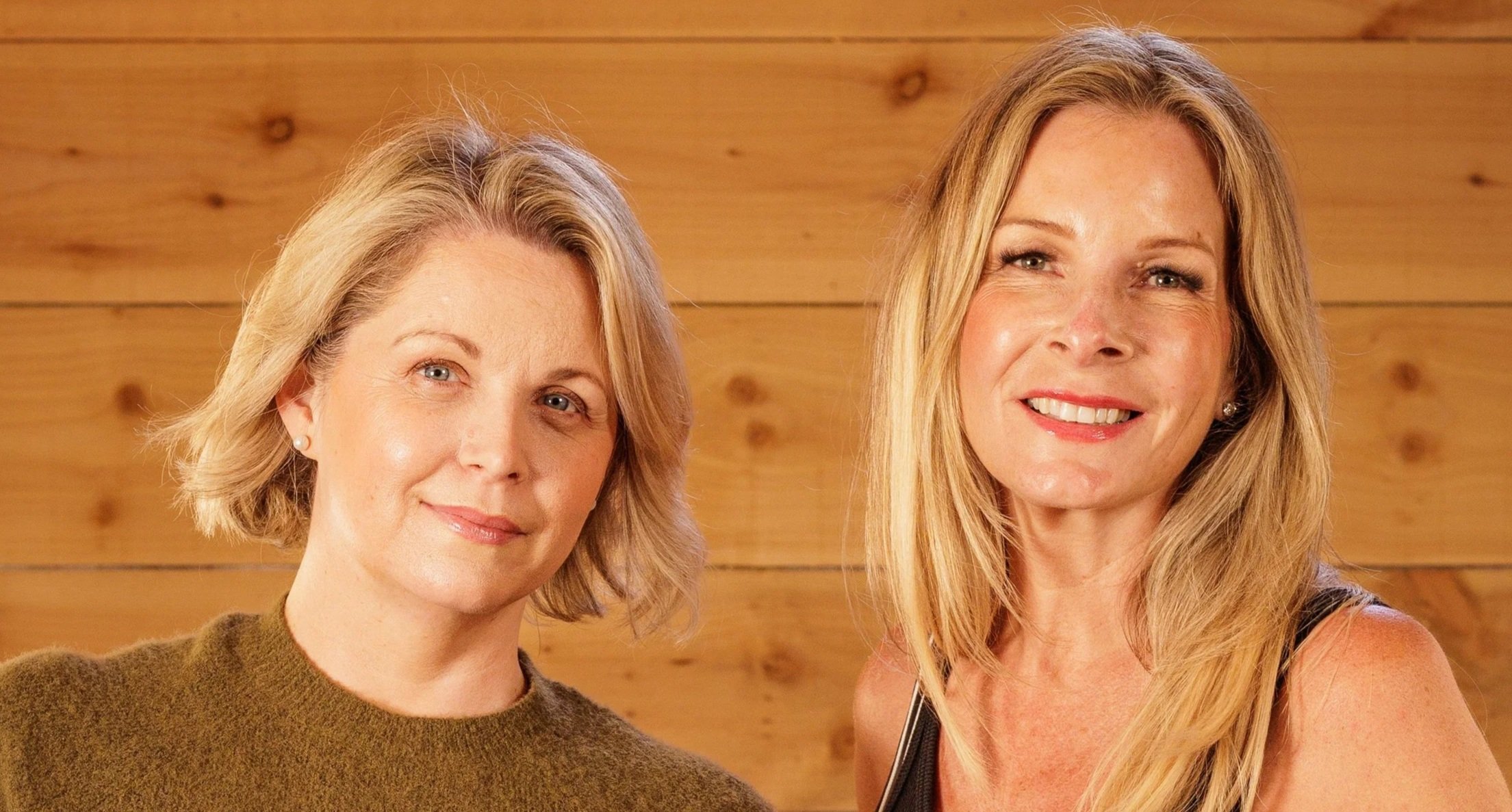
Blog by Georgie Sliney McCormack & Helen Flynn
Georgie and Helen are the co-founders of The Balance Project. Through their work, they are committed to making women's health information more accessible, informed, and empowering. They believe better conversations lead to better understanding, better support, and better outcomes for women.
