
Halfway Through September: A Reminder to Take a Breath
We're halfway through September now. The uniforms have (mostly) been found, the lunches are becoming routine again, and for a lot of households the school run has settled into its familiar rhythm — or is only just starting to, if this is the year of a first school gate, a first secondary school corridor, or a first week away at college. Whatever September has looked like in your house — a big first, or simply the usual back-to-school reshuffle — it tends to bring the same thing with it: busyness. A particular kind of busyness, too, made up mostly of things nobody really notices you doing.
The work that doesn't get counted
Here's the thing about the school lunch, the ironed uniform, the "don't forget your jacket," the packed bag, the reminder about the permission slip, the mental note that swimming gear needs to go in on Thursday: none of it looks like work. It rarely gets acknowledged, thanked, or even seen. But it is work — cognitive, constant, and largely invisible.
There's a name for it, and increasingly, research behind it. A 2024 study published in the Journal of Marriage and Family, led by Dr Ana Catalano Weeks, found that mothers carry an average of 71% of a household's total "mental load" — the ongoing behind-the-scenes work of noticing, anticipating, planning and organising family life — compared to 45% for fathers. Broken down further, mothers handled 79% of daily tasks like meals and childcare logistics, the very things that make a Tuesday morning actually function. As Dr Weeks put it plainly: "This kind of work is often unseen, but it matters. It can lead to stress, burnout, and even impact women's careers."
So if September has felt heavier than it looks from the outside, that's not in your head. You are doing a genuinely significant amount of invisible, uncounted work, every single day — and it's worth pausing, just for a moment, to actually count it.
It was never about being perfect
If there's a second thing worth naming alongside the mental load, it's the pressure so many of us quietly put on ourselves to carry it flawlessly — the sense that a forgotten library book or a rushed goodbye at the school gate means we're somehow falling short.
A 2025 study in the journal Sex Roles, surveying nearly 500 mothers of young children in the UK, found something important here: it wasn't the ordinary, ambivalent feelings of parenting — the exhaustion, the mixed emotions, the days that don't go to plan — that predicted higher anxiety and depression. It was the gap between how mothers felt and an internalised ideal of the "good mother" who is endlessly devoted and effortlessly loving, and the shame that gap produced. The researchers' conclusion was refreshingly direct: validating the ordinary, imperfect reality of parenting is what actually protects mental health — not chasing the ideal.
That finding is backed up from another angle entirely. A 2022 study of medical and dentistry students, published in the International Journal of Environmental Research and Public Health, found that self-compassion — treating yourself with the same understanding you'd offer a friend — acted as a protective buffer between perfectionism and burnout. Perfectionism itself didn't have to change for burnout risk to drop; simply being kinder to yourself about falling short of it was enough to ease the load.
Balance, in other words, was never about doing it all without a crack showing. It's about staying steady while carrying what's real — including the days it doesn't go to plan.
What the research says actually helps
Three things, consistently, and none of them require a spare hour you don't have.
The pause itself matters. A 2022 meta-analysis in PLOS ONE, pooling 22 studies, found that even very short breaks — ten minutes or less — meaningfully increased energy and reduced exhaustion. You don't need a retreat. You need the two minutes with the tea while it's still hot.
Small wins deserve to be noticed. Harvard Business School's Teresa Amabile and Steven Kramer, analysing thousands of daily work diaries, found that nothing shaped people's day-to-day wellbeing more than the felt sense of progress in meaningful work — and crucially, the work didn't need to be dramatic to count. It simply needed to matter to the person doing it. Getting everyone out the door, fed, dressed and on time counts. Every single day it happens is a genuine, countable win — even though nobody hands out an award for it.
Community is a protective factor, not a luxury. A 2025 narrative review in the journal Healthcare looking specifically at parental burnout named social support as "one of the most important influencing factors" in whether parents burn out at all — and found that isolated parents, with the least support around them, carried the highest risk. The parents who fared best weren't the ones doing it alone most capably. They were the ones with people around them.
The invitation, halfway through September
So here's the reminder, for whatever kind of September this has been in your house: the tea made, the jacket remembered, the lunch packed, the small kindness offered to someone else before you'd had a moment for yourself — none of that is nothing. It is the work. And it deserves to be seen, even if the only person seeing it, today, is you.
Balance was never about perfection. It's about noticing what you're actually carrying, being honest about the days it's heavy, and knowing that a two-minute pause, an honest tally of the small wins, and a few people around you who understand — are not indulgences. They're what the evidence says actually gets us through.
Always with balance. Always with you.
If you'd like a space to pause, connect, and be reminded you're not doing this alone, The Balance Project runs community days and workshops throughout the year — find out more at thebalanceproject.ie/events.
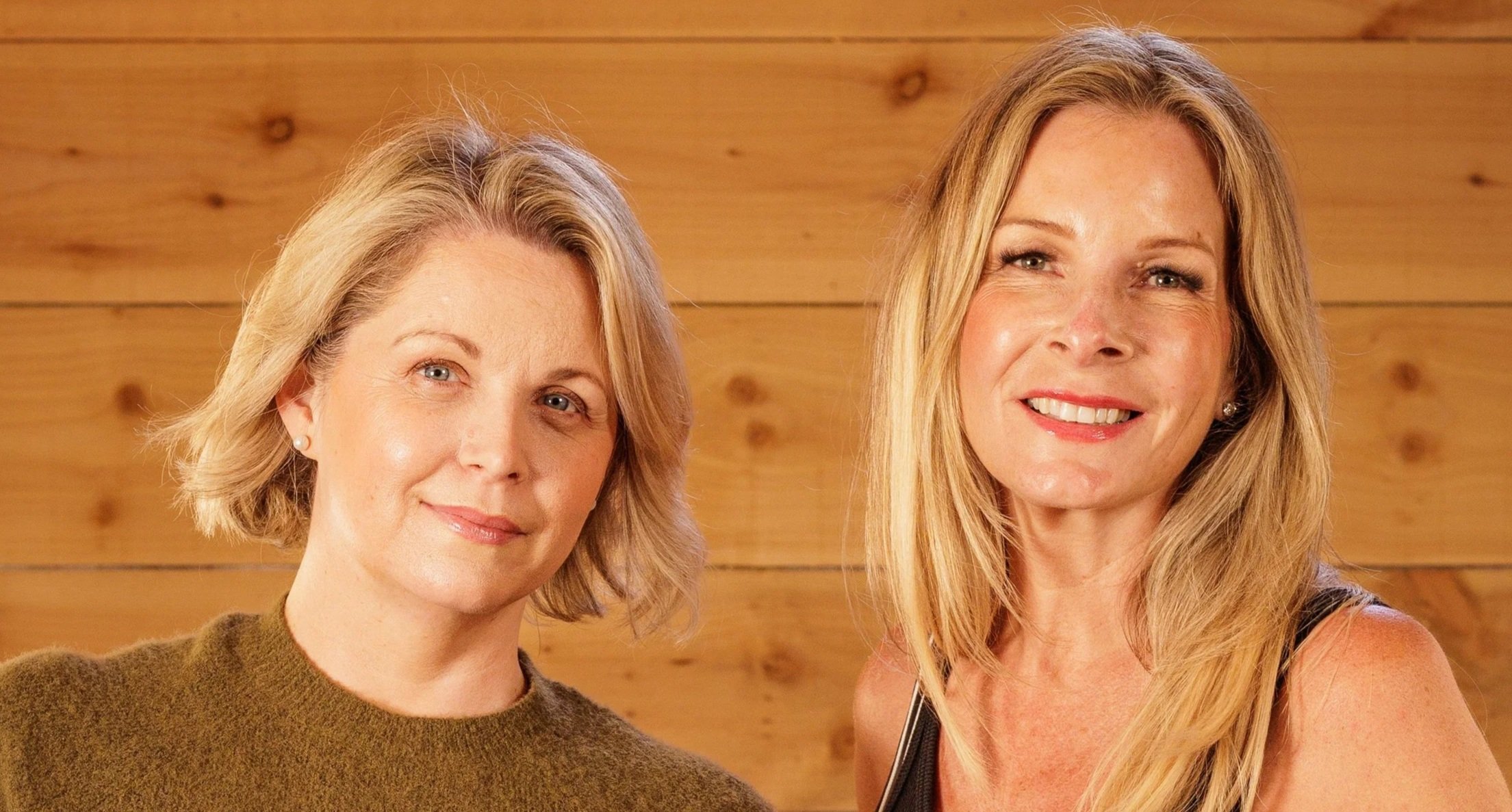
Blog by Georgie Sliney McCormack & Helen Flynn
Georgie and Helen are the co-founders of The Balance Project. Through their work, they are committed to making women's health information more accessible, informed, and empowering. They believe better conversations lead to better understanding, better support, and better outcomes for women.
