
The Pain Isn't the Hardest Part: Chronic Pain, Perimenopause and Remembering Your Whole Self
Every year the International Menopause Society chooses a theme for World Menopause Day on 18 October. This year's theme is Chronic Pain in Midlife.
I'll be honest: this one is personal. I have managed chronic pain for just over 20 years. So rather than write about it from a distance, I want to share some of my own story, alongside what the research tells us about pain, hormones, and the transition so many of us are going through.
Twenty years of managing pain
I want to start with gratitude, because I have been incredibly lucky. I have a super supportive family, a wonderful husband, and children who understand. I have had many consultants who have helped and supported me along the way, and an incredible GP.
All that said, I'd be lying if I said it wasn't a struggle.
In twenty years, I have had three children, six spinal surgeries, many, many micro-surgeries and pain management procedures. I've limped, hobbled and used a walking stick. I imagine chronic pain is very different for everyone. But I suspect some parts of my experience will feel familiar.
The losses nobody sees
For me, the pain itself was not the worst part, although it is something I manage every single day. The real rub was managing the feelings of loss.
Not being able to lift my baby out of the cot. Not being able to run around the park when the children were little, or run in the mums' race on sports day. Not being able to go on the rollercoasters or water slides with them. These were all things I would have really enjoyed and wanted to do. In the day to day, that hurt more than the physical pain.
It turns out I'm far from alone in feeling this way. Researchers have recognised for years that grief is a real part of living with chronic pain, even though it is often less visible than grief after a death, sometimes even to the healthcare professionals working with us. A Canadian study of people waiting for a chronic pain programme found that loss was a significant part of their experience, with loss of identity one of the central themes. A six-year follow-up of women living with chronic pain in Norway found that grief over things they had to give up, such as work and social connection, came up again and again. Encouragingly, the same women described adapting over time and finding real hope for the future.
That matters. Naming these losses as grief isn't self-pity. It's recognising something real, and giving yourself permission to feel it.
When my mind ran ahead
As the children got older, my pain worsened and the surgeries began, and my feelings changed. I began to fear future losses.
I was already using a walking stick. My mind was rushing ahead. How will I manage when I can no longer walk? When will that happen? What if I can't manage on this painkiller and need a stronger one? How will I work? What about the children, our house?
I was spinning, and the physical pain was worsening.
Psychologists have a name for this pattern of thinking: pain catastrophising. It describes the way our minds can magnify pain, ruminate on it and feel helpless in the face of it. It isn't a character flaw, and it doesn't mean the pain isn't real. But research consistently links it with more distress and disability.
There is good news here too. In a study of 344 people with chronic pain, acceptance (being able to experience difficult thoughts and sensations without letting them dictate how you live) reduced the impact of catastrophic thinking on depression, anxiety and day-to-day functioning. Acceptance and Commitment Therapy, a form of psychological therapy built around this idea, now has a growing evidence base for chronic pain. Acceptance is not giving up. It's choosing where to put your energy.
The symptoms I missed
Around the same time, perimenopause was hitting me hard. And I totally missed all the tell-tale signs. I put everything down to chronic pain.
It was my amazing GP who gently explained that she thought I was in perimenopause. She calmly talked me through her reasoning and we completed a symptom checker together. I had bloodwork done, returned a few weeks later and started HRT.
I was relieved. I was also beyond embarrassed. At that point I had been working in general practice for over nine years. I was very familiar with setting up menopause clinics and with every one of the symptoms.
But I believe that, like a lot of women, when it came to myself I was too busy to notice, and far too busy to take the time to slow down, look after myself and listen to my body. Add in the complication of managing chronic pain, which really did take up all my time, and it's no surprise at all that I missed it.
The research suggests I'm not unusual:
Pain is common in perimenopause. A meta-analysis of 16 studies estimated that around 71% of perimenopausal women experience musculoskeletal pain, and that perimenopausal women have higher odds of it than women who haven't yet reached that stage. A 2024 review in Climacteric, the International Menopause Society's journal, proposed a name for this cluster of joint, muscle, tendon and bone changes: the musculoskeletal syndrome of menopause.
Chronic pain and menopause symptoms travel together. A 2025 study following more than 3,300 women from a British birth cohort found that 40% had chronic pain at age 44. Those women had nearly three times the odds of a high menopause symptom burden six years later, and the link was even stronger for women with widespread pain.
Each can amplify the other. Reviews of pain during menopause describe how mood changes, stress and poor sleep can all heighten how we feel pain, while oestrogen itself plays a role in how the nervous system processes pain signals.
In other words, if you live with chronic pain, perimenopause can be both harder to spot and harder to live with. The symptoms overlap, and it is all too easy for pain to become the explanation for everything.
The two weeks I went without HRT
Shortly after starting HRT, I had my biggest surgery: a spinal fusion. All of my other surgeries had been an effort to delay this one. This surgery was an effort to get me off the walking stick. It was a risk, and certainly not a cure. Everyone was very clear that I have more of these fusions in my future. I was 42.
By the time I had the surgery, my pain levels were through the roof. I had to come off all my medication beforehand, except HRT. After the operation I was on very strong painkillers, as you would expect. I was also a bit bananas as a result, as you would also expect. I couldn't wait to get off them.
If you have ever titrated off strong painkillers, you'll know: it's horrendous. And in my slightly delusional state, I came off all my medication. Everything. HRT included!
A few days later I was back with my GP, explaining that I felt terrible. My moods were all over the place. I was hot and sweaty, in a bad mood, low and anxious. And lo and behold, she realised I hadn't taken my HRT in two weeks.
If I ever needed an endorsement for HRT while managing chronic pain, I had it right there.
I want to be careful here, because this is one woman's story, not a clinical trial. The research on HRT and pain is genuinely mixed. In the Women's Health Initiative, the largest trial of its kind, women taking oestrogen alone reported a modest but lasting reduction in joint pain compared with placebo (76.3% versus 79.2% after a year), though no difference was seen in the combined oestrogen and progestogen arm. HRT is not a painkiller, and it won't be right for everyone. What my experience showed me was how much my hormones had been affecting my mood, my sleep, my resilience and my ability to cope with everything else, pain included.
The other lesson is a practical one: please don't stop or change any medication on your own, especially around surgery. Talk to your GP or care team first, and make sure every clinician involved in your care knows you're on HRT.
Remembering your whole self
A few years on, the surgery has been good for me overall. I still very much manage chronic pain every day. But I always have been, and continue to be, enormously grateful for all the things I can do: move, hug my children, think, and keep learning.
If you are living with chronic pain and heading into, or through, perimenopause, here is what I'd love you to take from my story:
Don't let pain become the explanation for everything. If something new appears, or something familiar changes, mention it. Ask your GP whether a menopause symptom checklist might help.
Name the losses. Grief for the things pain has taken from you is real and valid. Talking about it, with people you trust or with a professional, can help.
Notice when your mind runs ahead. Fear of future losses is understandable. Pain psychology and approaches like Acceptance and Commitment Therapy can help you find a different way to hold those fears.
Keep HRT on every medication list. Especially before and after surgery, and never stop it without talking to your doctor.
Look after the whole of you. Movement, nourishment, rest, your mind, your community and continuing to learn: the six pillars of our Balance Blueprint matter even more when pain is part of your life.
To all the women out there managing their own versions of chronic pain: I salute you. Please don't forget about your whole self.
Georgie x
This article shares personal experience and general information. It is not a substitute for individual medical advice. If you're living with chronic pain or think you may be in perimenopause, please talk to your GP.
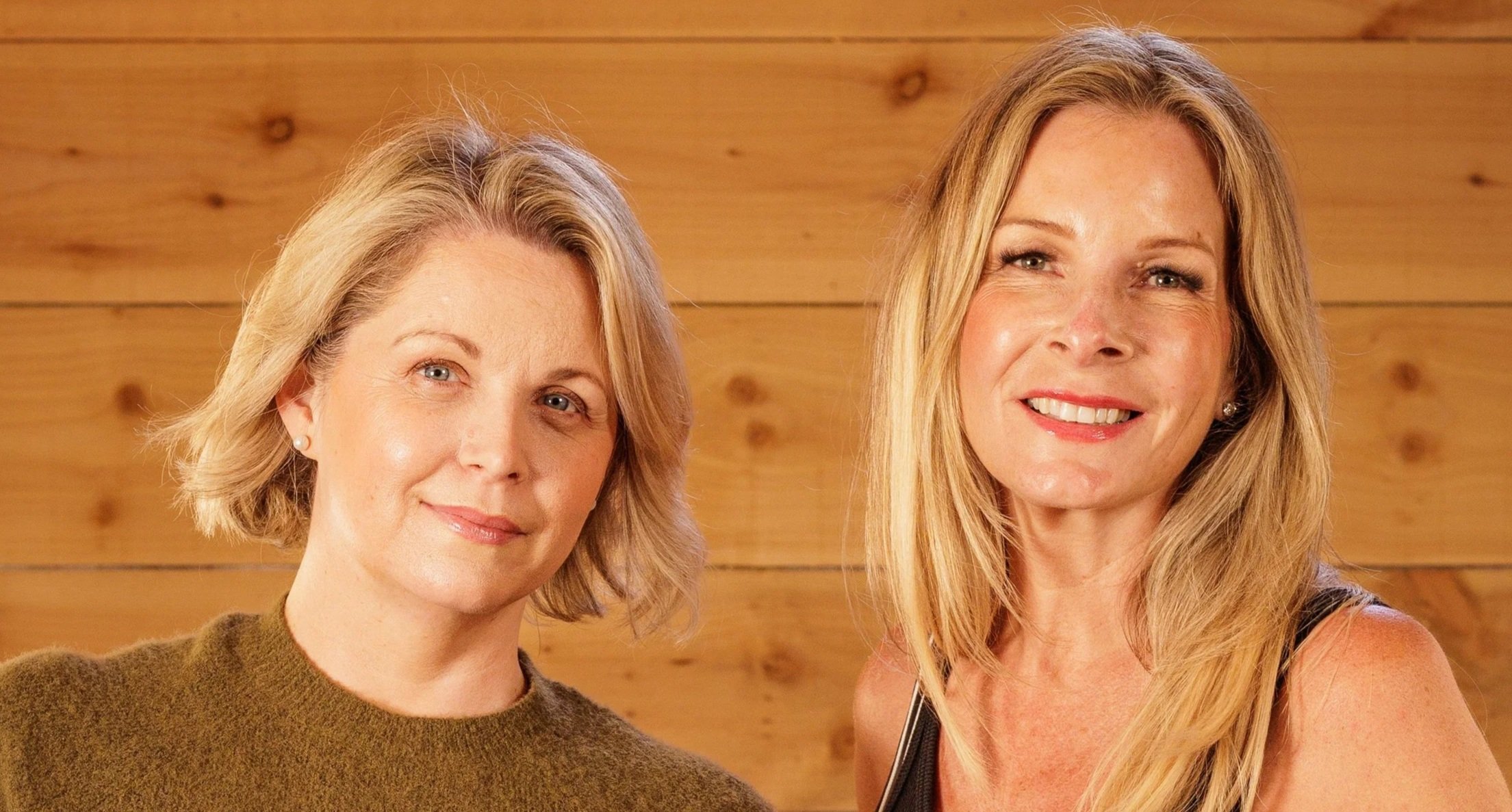
Blog by Georgie Sliney McCormack & Helen Flynn
Georgie and Helen are the co-founders of The Balance Project. Through their work, they are committed to making women's health information more accessible, informed, and empowering. They believe better conversations lead to better understanding, better support, and better outcomes for women.
