
World Sexual Health Day: We Need to Talk About Sex the Way We Talk About Sleep, Nutrition or Exercise
Every year, sexual health tends to make headlines for one of two reasons: an STI awareness campaign, or a story about declining birth rates. Rarely does it get discussed the way we'd discuss sleep, movement or nutrition — as a genuine, evidence-backed pillar of our overall health and wellbeing.
That's exactly what World Sexual Health Day, marked every year on 4th September by the World Association for Sexual Health (WAS), is trying to change. This year's global theme is "Every Body" — a reminder that sexual health, rights and pleasure belong to everyone, in every body, at every life stage, without exception. It's a fitting theme, because the research is increasingly clear: sexual health isn't a separate, private category we can quietly ignore. It's woven into our physical health, our mental health and our relationships — which is exactly why it deserves a seat at the same table as the rest of our wellbeing conversation.
What we actually mean by "sexual health"
Part of the problem is that sexual health is so often reduced to the absence of disease — are you protected, are you tested, are you "clean." The World Health Organization's own definition tells a much fuller story. It defines sexual health as "a state of physical, emotional, mental and social well-being in relation to sexuality; it is not merely the absence of disease, dysfunction or infirmity." Achieving it, the WHO notes, requires a positive and respectful approach to sexuality, free from coercion, discrimination and violence.
In other words: sexual health was never meant to be a niche medical category. It was always meant to sit inside our broader definition of what it means to be well.
What the research actually shows
This isn't just a nice idea — it's increasingly backed by peer-reviewed evidence across some of the most respected medical journals in the world.
A 2021 paper in The Lancet Public Health, by Kirstin Mitchell and colleagues, argued that public health has historically focused on the risks of sex (infection, unplanned pregnancy) while almost entirely ignoring the positive side — sexual wellbeing. The authors made the case that sexual wellbeing should be treated as a genuine population health indicator, on par with other measures of quality of life, precisely because it reflects health equity and overall wellbeing so consistently.
A more recent systematic review, published in the Bulletin of the World Health Organization in 2024, backs this up with volume: researchers pooled findings from 63 separate studies and found consistent, strong associations between sexual health and overall well-being. Positive sexual health was linked to lower rates of depression and anxiety, better quality of life across psychological, social and environmental measures, and greater life satisfaction — findings that held across age groups, including older adults and pregnant women. The review's conclusion was blunt: highlighting the benefits of sexual health, not just the risks, should be treated as "an important component" of public health strategy.
Even the BMJ has weighed in with data. A landmark 2010 study by Stacy Tessler Lindau and Natalia Gavrilova tracked sexual activity alongside general health in two large US population surveys of ageing adults. They introduced the concept of "sexually active life expectancy" — essentially, how many years of your life you can expect to remain sexually active — and found it was directly tied to how healthy you are overall. People in very good or excellent health remained sexually active for significantly longer than those in poor health, with the gap running into several extra years. It's a striking, very literal illustration of how closely sexual health and general health track together.
And it's not just an issue for younger adults. Harvard Health Publishing, part of Harvard Medical School, has highlighted research from the Archives of Sexual Behavior showing that over half of men over 70 remain sexually active — challenging the assumption that sexual wellbeing quietly disappears with age. Clinicians quoted in that coverage, including Dr Sharon Bober of the Dana-Farber Cancer Institute, point out that sexual health issues are frequently tied to entirely manageable factors: cardiovascular health, diabetes, blood pressure, medication side effects. Address the physical health, and sexual wellbeing very often follows.
Why this matters at every life stage
Taken together, this body of research makes a simple but important point: sexual health isn't a topic that only matters when something is going wrong. It's a marker of how we're doing, physically and emotionally, across our whole lives — from the teenage years, through relationships, pregnancy and parenting, and into perimenopause, menopause and beyond.
That's a message we come back to often at The Balance Project. Just as we wouldn't expect anyone to navigate menopause or hormone changes without accurate information, we shouldn't expect people to navigate their sexual health in silence either — particularly at life stages like perimenopause, when hormonal shifts can directly affect libido, comfort and confidence, but where the conversation is so often skipped over entirely, even in GP visits.
Talking about it is the point
World Sexual Health Day isn't asking anyone to overshare. It's simply asking us to treat sexual health with the same openness, curiosity and evidence-based approach we'd bring to any other part of our health — instead of the embarrassment or silence it's so often met with.
That starts with small things: asking your GP a question you've been putting off, having an honest conversation with a partner, or simply being willing to say the words out loud. If the research tells us anything, it's that this part of our health is worth talking about — because it's connected to all the rest of it.
If you'd like to keep the conversation going, The Balance Project runs community events and clinician-led workshops covering hormone health across every life stage — you can find out more at thebalanceproject.ie/events.
Always with balance. Always with you.
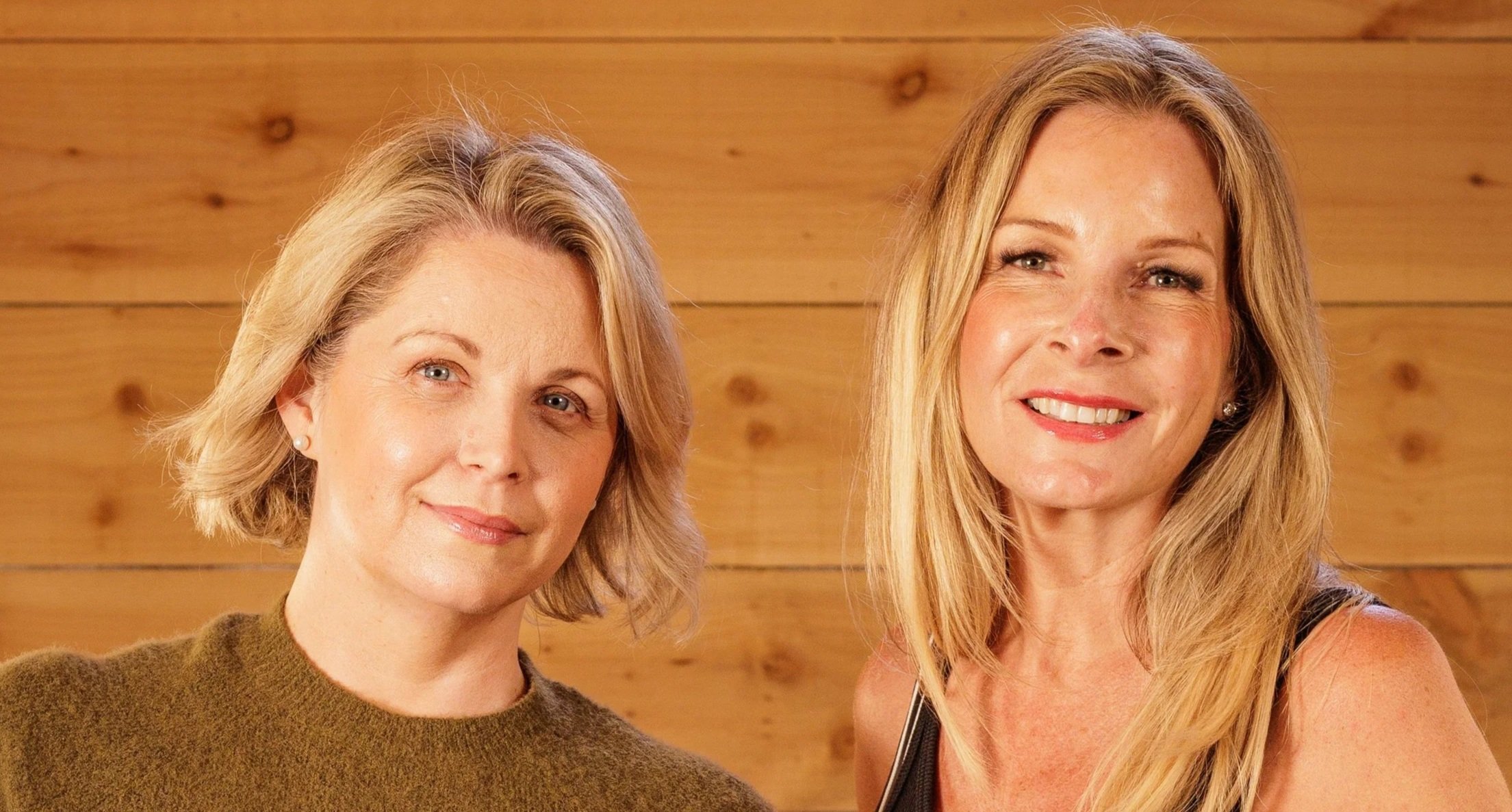
Blog by Georgie Sliney McCormack & Helen Flynn
Georgie and Helen are the co-founders of The Balance Project. Through their work, they are committed to making women's health information more accessible, informed, and empowering. They believe better conversations lead to better understanding, better support, and better outcomes for women.
