
"I just don't feel like myself."
If there's one sentence we hear more than any other from women in perimenopause, it's that one. Shorter fuses. Tears out of nowhere. A low hum of worry that wasn't there before. Lying awake over things that would never have bothered you a few years ago.
It can be frightening, especially when social media is full of stories suggesting menopause will inevitably wreck your mental health. So this week, I want to look at what the evidence actually says. Because the truth is more nuanced, and much more reassuring, than the headlines.
What the research tells us
The best long-term evidence comes from the Study of Women's Health Across the Nation (SWAN), which has followed thousands of women in the US through midlife since the 1990s.
Risk does go up for some women. SWAN found that the risk of high depressive symptoms, and of clinical depression, is greater during the menopause transition and possibly in the years just after it.
But most women don't experience high depressive symptoms. This is the part that rarely makes the headlines. Feeling more up and down is common. Developing depression is not inevitable.
Other things matter too. SWAN found that many factors contribute to depression risk in midlife, not just hormones. Life stress, previous episodes of depression, and frequent hot flushes all played a part.
In 2024, The Lancet's series on menopause took a careful look at mental health. After reviewing the studies, the experts concluded there was no robust evidence that the risk of anxiety or other serious mental illness increases for all women during the menopause transition. Instead, they identified specific groups who may need more support, and warned that expecting the worst can itself colour how women experience this stage.
Why that matters
This isn't about dismissing how anyone feels. If you are struggling, that is real, and you deserve support.
But there's a difference between being informed and being frightened. Knowing that mood changes are common, that they're often linked to things we can work on, like sleep, stress and the many other symptoms of perimenopause and menopause, and that most women come through this transition well, can take some of the fear away. And fear has a way of making everything feel heavier.
What can help
Track how you feel. Noting your mood alongside your cycle, sleep and symptoms can help you and your GP see patterns.
Look after the basics. Poor sleep, hot flushes and stress all feed into low mood. Improving one often helps the others.
Ask about CBT. NICE recommends menopause-specific CBT for low mood associated with menopause, alongside or instead of HRT.
Talk to your GP. Mention perimenopause specifically. Low mood and anxiety in midlife can be linked to hormonal changes, and that may change the options you're offered.
Talk to someone. A friend, your partner, a sister. Saying it out loud really does help.
If you're struggling right now, please reach out. Talk to your GP, call Samaritans free on 116 123 any time, day or night, or text 50808 to talk to a trained volunteer. In an emergency, call 999 or 112.
Why this matters to us
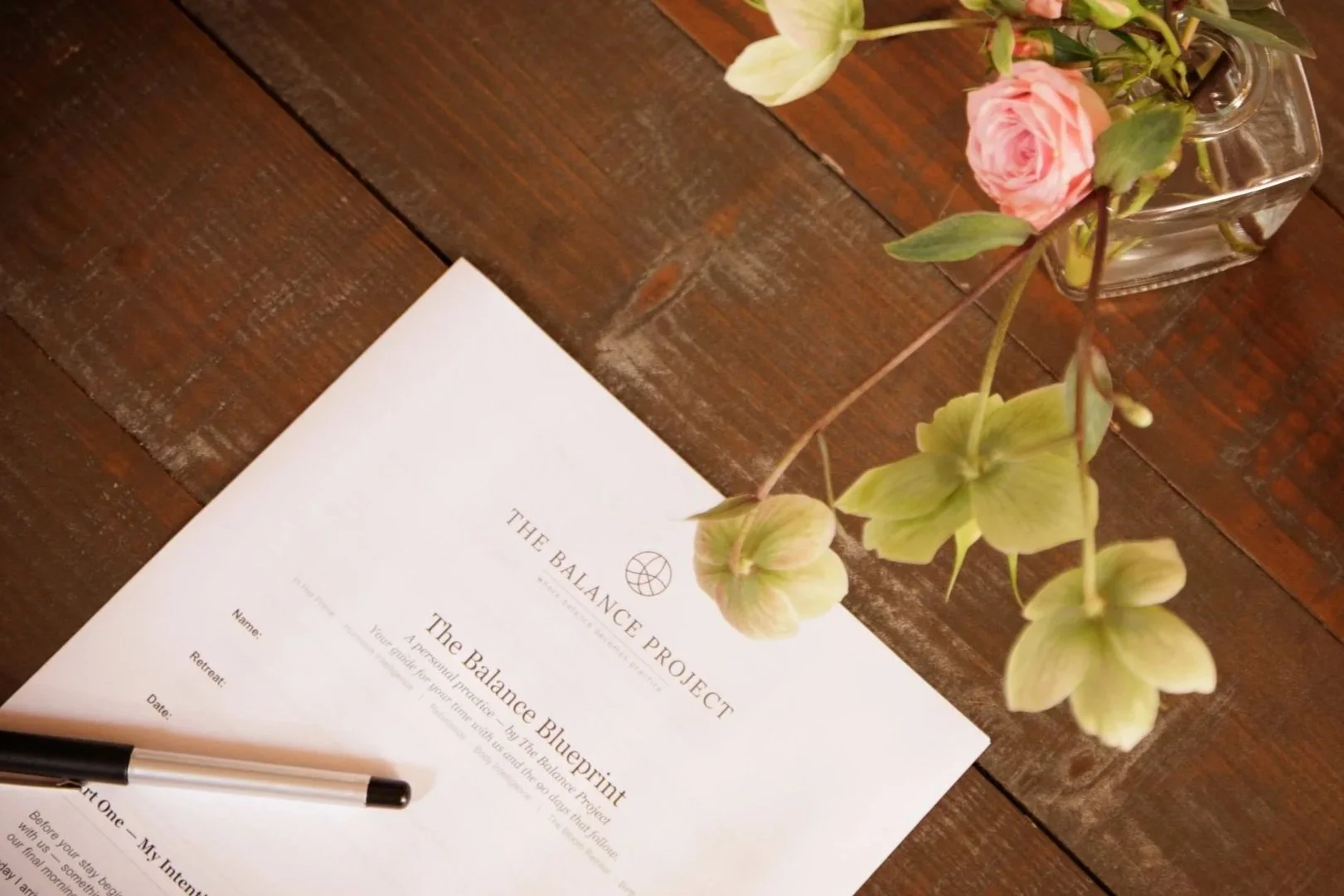
Mind is one of the six pillars of our Balance Blueprint. It's often the pillar women find hardest to talk about, which is why we try to create spaces where those conversations feel easy.
In Her Prime is a chance to step back from the noise for a weekend, with clinicians in the room and women who understand. Join us from 21 to 23 March 2027 at Deerstone Luxury Eco Lodge. Find out more here.
This article is for information only and is not a substitute for advice from your own doctor.
Georgie and Helen x
Always with balance. Always with you.

In Her Prime
A Luxury Hormone Health & Menopause Wellness Retreat
Deerstone Eco Retreat, Wicklow
Mastering The Transition
Hormone Health, Perimenopause & Menopause One-Day Workshop
See full list of Experiences
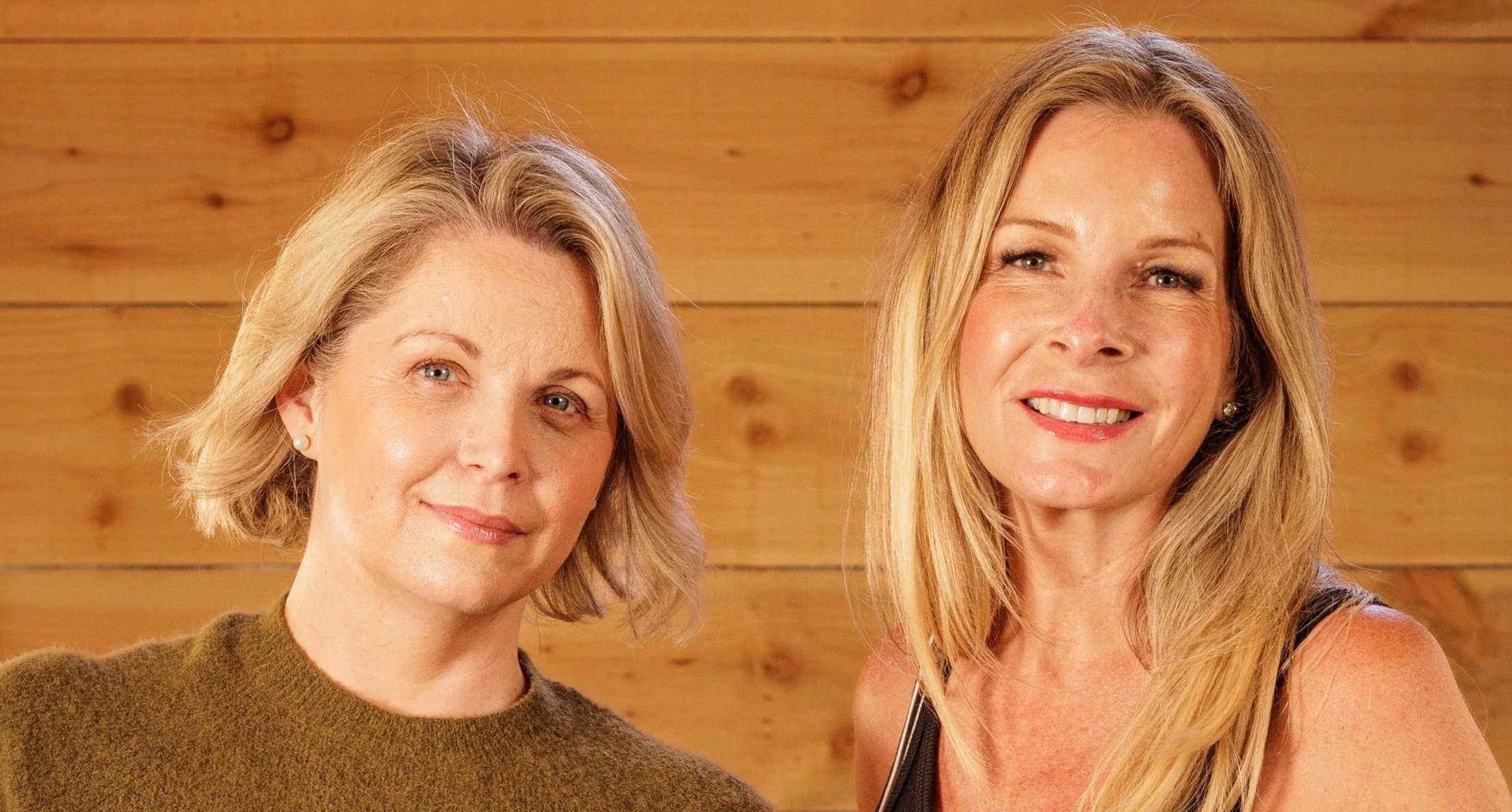
Blog by Georgie Sliney McCormack & Helen Flynn
Georgie and Helen are the co-founders of The Balance Project. Through their work, they are committed to making women's health information more accessible, informed, and empowering. They believe better conversations lead to better understanding, better support, and better outcomes for women.
