
The HBSC Irish Study: Why Girls Need Better Support, Earlier
Understanding the HBSC Findings - and Why Hormone Intelligence Matters
The latest HBSC Ireland study, Trends in Health Behaviours, Outcomes and Contexts: 1998-2022 offers one of the clearest long-view pictures we have of how young people in Ireland are really doing - and the findings are both encouraging and concerning. Over 70,000 children and adolescents aged 10-17 took part across seven survey rounds, making it one of the most significant datasets we have on youth health and wellbeing in Ireland.
On the positive side, risky health behaviours have declined significantly. Smoking among 15-year-olds has fallen dramatically since 1998, alcohol misuse is down, and cannabis use has also dropped. These are real public health wins and show that sustained education, policy, and cultural change can work.
But the same report also points to a very different and more complex challenge: mental health and emotional wellbeing have worsened. The proportion of young people reporting low mood has more than doubled over the study period. There has also been an overall decrease in the proportion of children who describe their health as excellent, say they are happy with life at present, or report high life satisfaction. These trends are especially pronounced among older adolescents and girls.
The social context matters too. The report highlights a decrease in high peer support and in time spent out with friends, even while some young people say it has become easier to talk to friends about things that really bother them. Bullying trends are mixed: reports of bullying others have fallen, but reports of being bullied have risen slightly. Pressure from schoolwork has increased substantially, particularly for girls.
What makes this report so important is that it moves the conversation beyond crisis language and toward something more useful: context. Young people are not simply "less resilient" or "too sensitive." They are growing up in a world of heightened academic pressure, changing friendship patterns, more visible emotional strain, and complex expectations around identity, performance and belonging. The study’s overall message is that while progress has been made in reducing some harmful behaviours, much more focused effort is needed to support children’s emotional wellbeing and help them thrive.
That is exactly why programmes like Own It, from The Balance Project, matter.
If the evidence tells us that girls in particular are experiencing growing pressure, lower wellbeing, and more emotional strain, then we need to respond with more than information alone. We need spaces that help young people understand what is happening in their bodies and minds, build confidence, develop emotional literacy, and feel less alone in the process.
Own It speaks directly to that need. It creates a supportive environment where young girls can begin to understand hormones, emotions, self-image, stress, friendships and the changes that come with growing up - not through fear or shame, but through knowledge, language, and connection.
Intelligence workshops like this are not an optional extra. They are part of the practical response to what the data is telling us.
If we want young people to flourish, we have to equip them early - not just academically, but emotionally, socially and physically. We have to give them tools to interpret what they are feeling, confidence to ask questions, and reassurance that change is something they can understand rather than something they simply have to endure.
The HBSC report gives us the evidence. The next step is acting on it.
That is where Own It has real value: translating big-picture public health findings into meaningful, human support for girls at exactly the stage when it can make the greatest difference.
The data is clear: while many traditional risk behaviours are declining, the emotional landscape for young people is becoming more challenging.
That calls for a different kind of response - one rooted in education, confidence-building, communication and connection.
At The Balance Project, that is the thinking behind Own It: giving girls the language, insight and support to better understand themselves, their hormones, their emotions and their changing world.
Because when young people understand what is happening to them, they are far better equipped to navigate it well.

Own It! - Parent & Teen Workshop
Ireland’s only dedicated hormonal intelligence workshop for parents and teens
October 3rd 2026. 1pm-7pm | Airfield Estate, Dublin
For parents and teens (age 10-16) who want to understand hormonal change, strengthen communication, and navigate this important stage of life together.
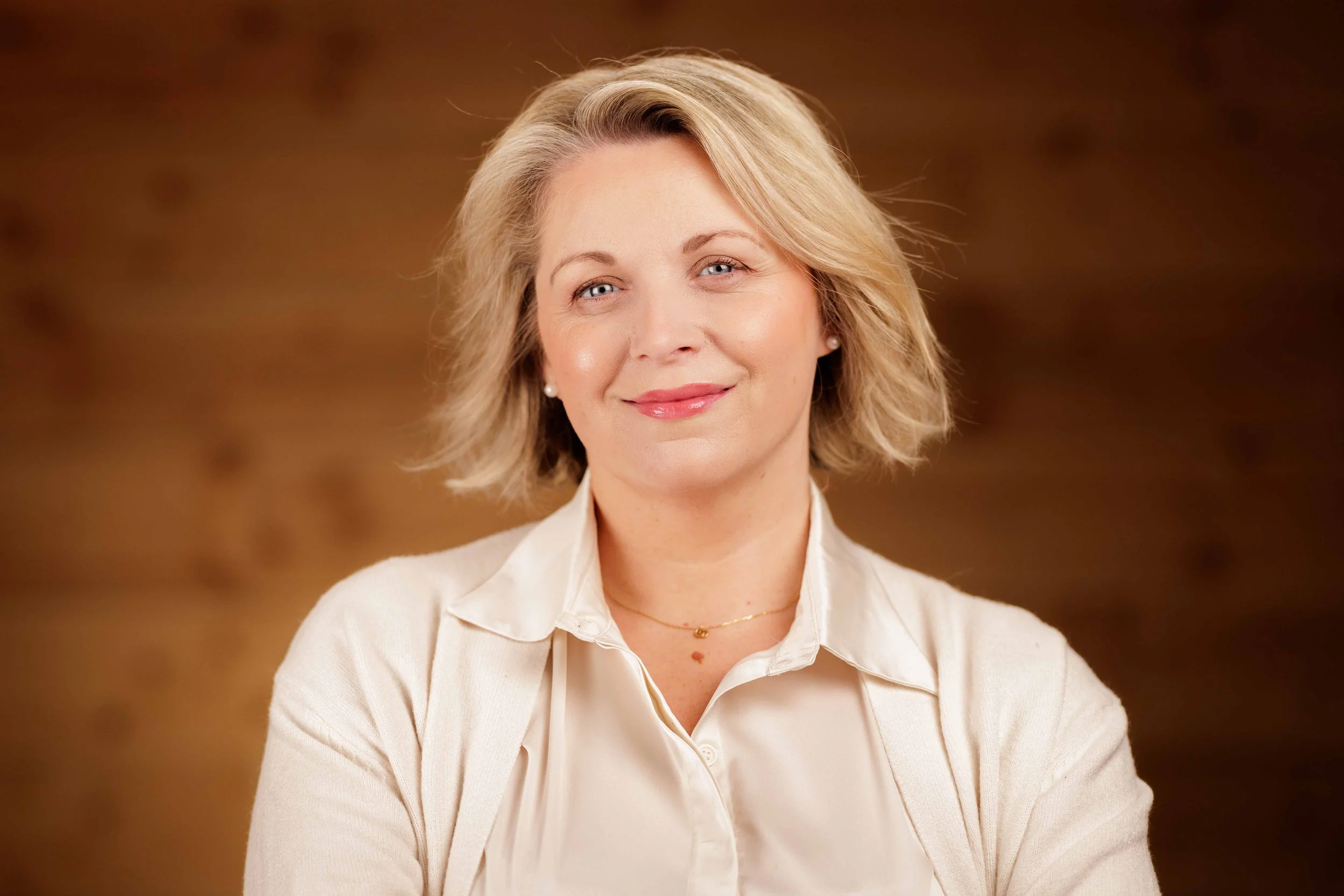
Article Written by Georgina Sliney McCormack (Co-Founder)
Working within healthcare, Georgie met people whose conditions had been treated, but whose energy, confidence and wellbeing remained depleted. She wanted to change this.