
Why Research Like This Supports a Better Menopause Conversation
What this new Irish menopause study tells us - and why it matters
A recent article published in the Irish Medical Journal offers timely and important insight into the lived reality of menopause for women in Ireland.
The study, “Prevalence and severity of menopausal symptoms in peri and post-menopausal women”, explored symptom patterns among 308 women and adds something deeply valuable to the conversation around midlife women’s health: evidence. And not just general evidence, but Irish evidence - grounded in the experiences of women living here.
For us at The Balance Project, that matters.
Because while awareness of menopause has undoubtedly grown, many women are still trying to make sense of this life stage while managing symptoms that affect their sleep, mood, confidence, energy, relationships, and work. Research like this helps bring clarity to what many women already know from lived experience: menopause is not a minor transition, and for many, it can have a very real impact on quality of life.
What the study found
The study included 156 perimenopausal and 152 postmenopausal women. Among women not using menopausal hormone therapy, the findings showed a high prevalence of symptoms overall.
The most commonly reported symptoms were:
hot flushes and sweating in 84% of women
sleep problems in 83%
sexual problems in 74%
The study also found that 31% of women had symptom scores classified as severe.
This is significant. It reinforces that menopausal symptoms are not occasional or incidental for many women - they are frequent, disruptive, and often substantial enough to affect daily functioning and wellbeing.
Perimenopause and postmenopause do not look the same
Another important finding was that symptom patterns differed depending on menopausal stage.
The study found that perimenopausal women were more likely to experience psychological symptoms, including sleep problems and physical and mental exhaustion. They also had higher overall symptom scores than postmenopausal women.
By contrast, postmenopausal women were more likely to experience hot flushes and vaginal dryness.
This is exactly why women need better education around menopause. Too often, people are given a narrow or simplified picture of what this phase of life looks like. In reality, it can present in very different ways depending on the stage, the woman, and the wider context of her health and life.
Understanding that distinction matters - because women cannot make sense of what they are experiencing if the conversation around menopause remains vague, fragmented, or overly one-dimensional.
Why this research matters so much
One of the strongest lines in the paper is in its conclusion: a multidisciplinary approach is needed to manage these symptoms.
That is such an important point.
Menopause is not just a hormonal event. It can be physical, cognitive, emotional, relational, and occupational. It can affect sleep, concentration, confidence, intimacy, and the ability to feel like yourself in your own body.
This is why research like this matters so much for women.
It validates experience.
It helps move the conversation away from minimising symptoms and towards understanding their complexity.
It strengthens the case for better support, better education, and more joined-up care.
And it reminds us that women deserve more than piecemeal advice or silence - they deserve informed, credible, evidence-based support.
Why it supports the work of The Balance Project
At The Balance Project, we believe women should not have to navigate perimenopause and menopause through confusion, misinformation, or guesswork.
Our Menopause Intelligence workshops and retreats are designed to help women better understand this phase of life through a clinically led, evidence-based, and practical approach. We are deeply committed to translating research into understanding - and understanding into confidence.
This study supports that work in a very real way.
It confirms that menopausal symptoms are highly prevalent.
It confirms that symptom severity can be substantial.
It confirms that women in different stages of the transition may need different kinds of support.
And it confirms the need for a broader, multidisciplinary model of care and education - one that recognises the complexity of women’s experiences rather than reducing menopause to a single symptom or a single solution.
That is exactly the gap The Balance Project is working to fill.
From information to insight
For many women, the most difficult part of this transition is not only the symptoms themselves - it is not understanding what is happening, why it is happening, or what can help.
That is where informed education becomes powerful.
When women are given clear, evidence-based information in a supportive environment, they are better equipped to interpret their symptoms, advocate for themselves, access appropriate care, and make decisions with greater confidence.
Our workshops and retreats are built on that belief: that knowledge is not just informative, it is empowering.
A conversation that must keep growing
This study is an important contribution to Irish menopause research, particularly because the authors note that there has been limited research from an Irish perspective in this area.
The more evidence we have, the stronger the case becomes for:
more informed clinical conversations
better public understanding
greater workplace awareness
stronger support systems for women in midlife
Most importantly, it helps ensure that women’s experiences are seen, heard, and taken seriously.
At The Balance Project, that is not a side conversation. It is the work.
At The Balance Project, our Menopause Intelligence workshops and retreats are grounded in exactly this kind of evidence: credible research, clinical insight, and a deep respect for women’s lived experience.
Because understanding menopause better does not just improve awareness.
It improves support, confidence, and quality of life.
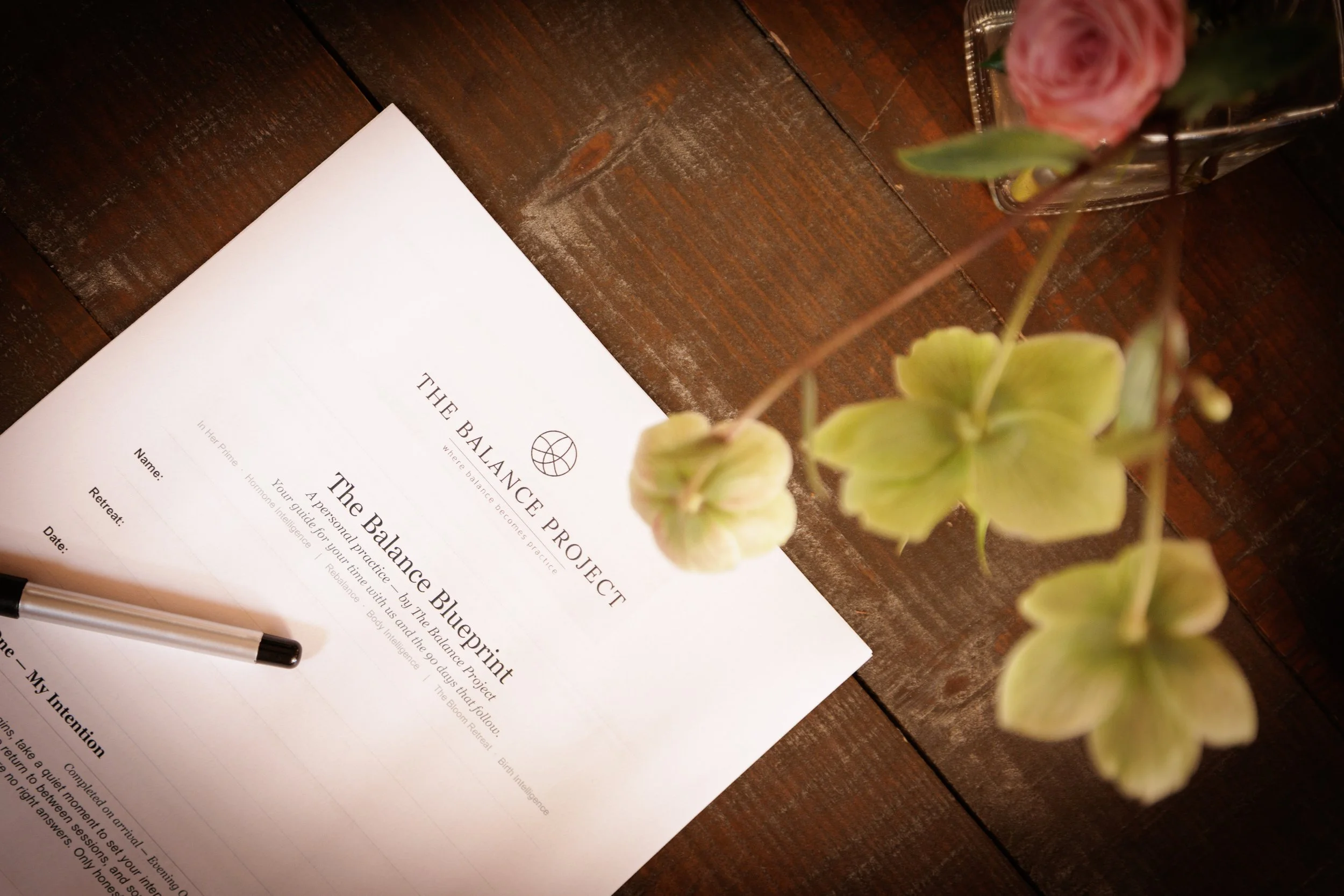
Mastering The Transition
Hormone Health, Perimenopause & Menopause Exclusive One-Day Workshop
12th September 2026 | Leinster Hotel, Dublin 2.
For women who want to understand their changing hormones, restore energy, and move through this next chapter with confidence.
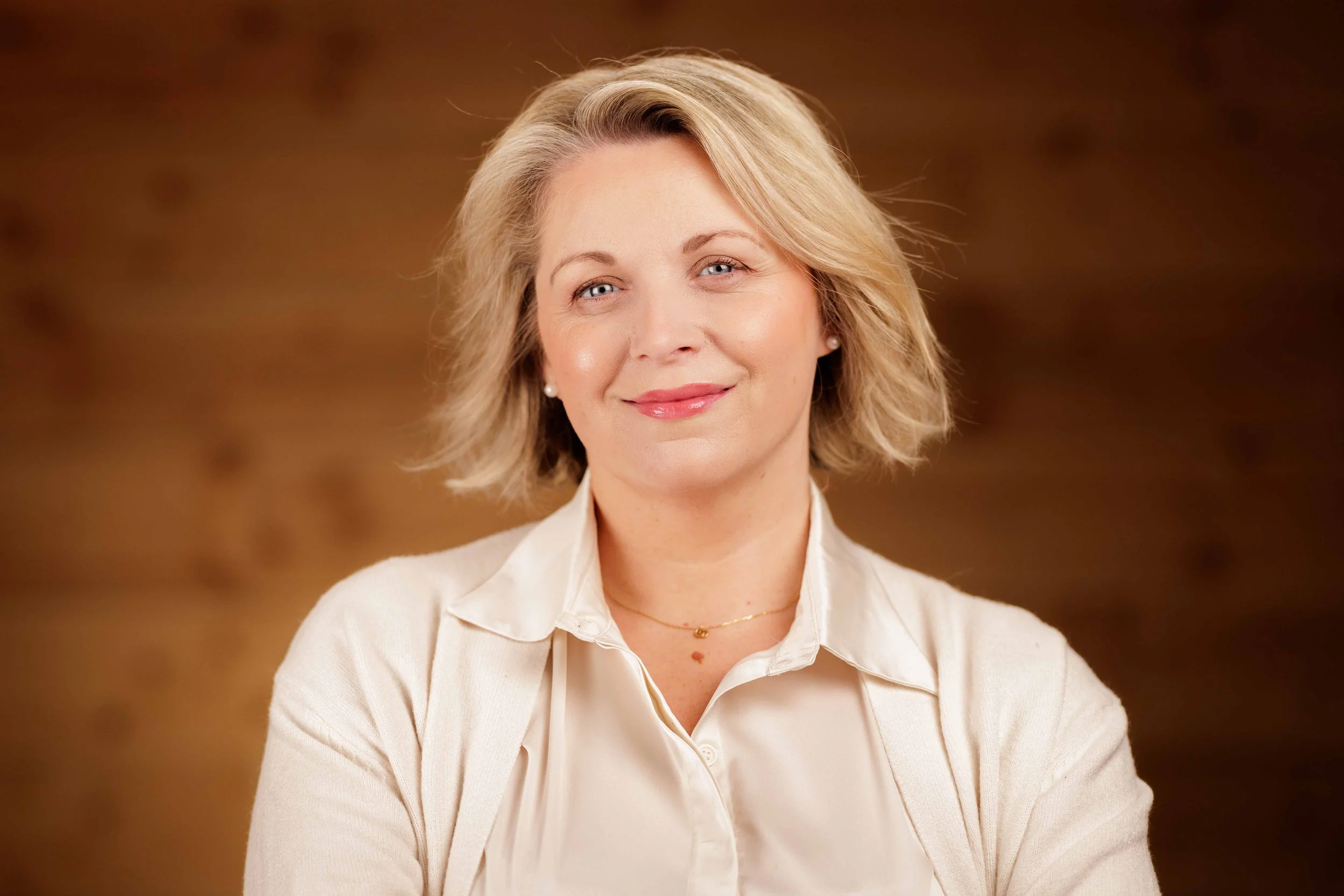
Article Written by Georgina Sliney McCormack (Co-Founder)
Working within healthcare, Georgie met people whose conditions had been treated, but whose energy, confidence and wellbeing remained depleted. She wanted to change this.