
We're Helping Rewrite the Curriculum on Menopause — And We Need Your Story
At The Balance Project, we talk a lot about the gap between what women in Ireland experience during perimenopause, menopause and post-menopause, and what our healthcare system is actually equipped to offer them. Today we're doing something about it. We're proud to be collaborating with RCSI's Project CHIME (Creating Holistic Inclusive Menopause Education) — a student-led initiative building a new menopause curriculum for tomorrow's doctors, from the ground up.
What Project CHIME Is Trying to Fix
Right now, most doctors qualify with almost no formal training in menopause care. That's not a criticism of individual clinicians — it's a curriculum problem. Menopause has simply never been given the space in medical education that its impact on women's lives deserves. Project CHIME is trying to change that at the source: by building menopause education into how future doctors are trained, not leaving it to be picked up informally, years into practice, if at all.
What They're Asking For — And Why We Need You
Here's the part that makes this different from most curriculum work: RCSI isn't building this in a room full of textbooks alone. They want the course shaped by real, lived experience — from people who've actually been through perimenopause, menopause or post-menopause. That's where you come in. If you're comfortable sharing your experience, RCSI wants to hear it — your symptoms, what you wish a doctor had understood, what changed conversations for the better (or worse), what future healthcare professionals should know before they're sitting across from a patient going through this. You can share it in writing, audio, or video — however you're most comfortable telling it. How to take part: Complete RCSI's short questionnaire Here. Or email your story — written, audio or video — directly to the Project CHIME team CHIME@rcsi.com. Every submission helps shape how the next generation of doctors are trained to actually listen to and treat women through this transition. It's a small thing to give twenty minutes to, and it could change how the next patient after you is treated.
Why This Matters Far Beyond One Curriculum
Here's the bigger, harder truth underneath all of this: women's health research, as a whole, is still radically underfunded — and menopause sits near the bottom of an already thin pile. Globally, only around 5% of health research and development funding goes toward female-specific research at all — and within that sliver, just 1% is directed at conditions like menopause. Only 7% of healthcare research focuses on conditions that exclusively affect women. And only about 5% of clinical trials even report their results broken down by sex — which means for huge swathes of medicine, we simply don't reliably know whether treatments work the same way in women's bodies as they do in men's. That gap follows women all the way into the exam room here in Ireland. The Irish College of General Practitioners — representing over 85% of practising GPs in the country — only launched its first free, structured menopause course in 2023. That means the vast majority of GPs currently practising in Ireland qualified with little to no formal menopause training at all, despite the ICGP's own figures showing that over 90% of menopause care in this country is delivered in general practice. A recent scoping review out of UCC, published this year, confirmed what women have been saying for years: menopause education for healthcare professionals in Ireland "remains limited and inconsistently embedded" across the system. It's not that doctors don't care — one Irish GP and women's health advocate described it as "decades of neglect" of this stage of women's lives, not a lack of willingness to help. It's that the system was never built to teach this properly in the first place. Meanwhile, demand tells its own story: Irish Menopause, an online community for Irish women, has grown to over 44,000 members — proof of how much appetite there is for exactly the kind of clarity Project CHIME is trying to build into medical training from day one. This isn't just a menopause problem, or a women's health problem. It's a research problem, a funding problem, and an education problem, all compounding on each other — and every one of us who's lived through this transition without answers is evidence of exactly why it needs to change.
We Have to Be Part of the Change
We started The Balance Project because we couldn't find the workplace, the community, or the conversation we needed — so we built it. Supporting Project CHIME is the same instinct, aimed further upstream: if the next generation of doctors are going to be better equipped than the ones before them, it's because women told them what needed fixing. So if you have a story to tell, please tell it. Not just for yourself — for the person sitting in that GP's office ten years from now, hoping their doctor actually understands what they're going through.
To find out more about The Balance Club, our upcoming events, and how to share your experience with Project CHIME, follow us or visit thebalanceproject.ie. The conversation — and the change — starts with us.
Always with balance. Always with you.
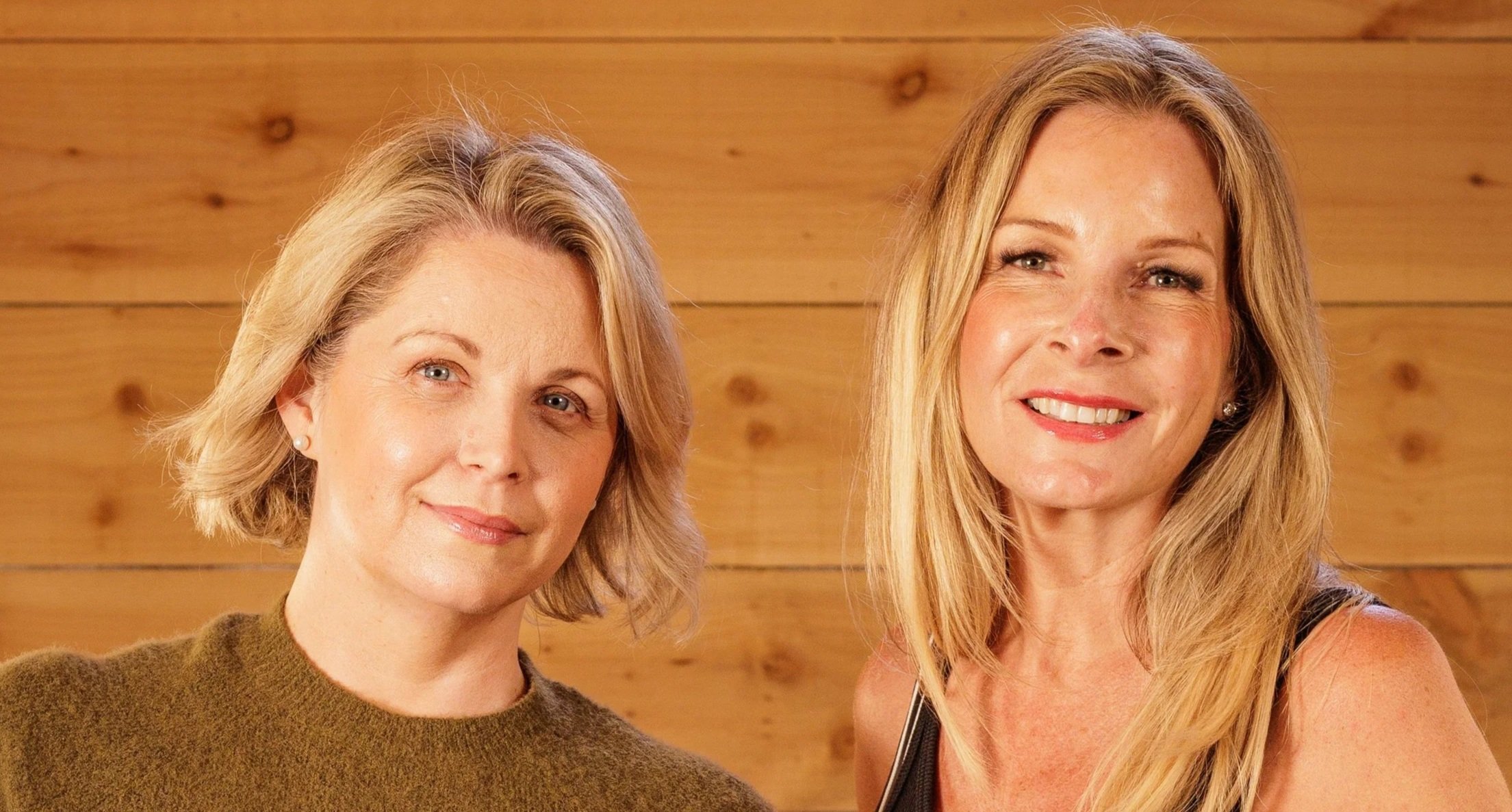
Blog by Georgie Sliney McCormack & Helen Flynn
Georgie and Helen are the co-founders of The Balance Project. Through their work, they are committed to making women's health information more accessible, informed, and empowering. They believe better conversations lead to better understanding, better support, and better outcomes for women.
