
Listening to Women in Midlife
What this survey tells us about the support gap in perimenopause and menopause
Women in midlife are speaking clearly - and what they are telling us deserves attention.
A recent survey carried out by Rhona Fleming of Kindle Health Coaching, a contributor to The Balance Project, explored the lived experiences of women navigating perimenopause and menopause. Its purpose was simple but important: to better understand women’s symptoms, struggles, support gaps, and what they truly need to feel seen, supported, and empowered.
The responses paint a powerful picture.
Among 121 women aged 40-55, many of whom were in perimenopause or menopause, the most commonly reported challenges were fatigue, brain fog, anxiety, sleep issues, and mood swings. These are not minor inconveniences. They are symptoms that can affect how women function day to day - at work, at home, in relationships, and in their sense of self.
What stands out most is not only the prevalence of symptoms, but the emotional experience surrounding them. Many women said they felt blindsided by the intensity and unpredictability of what they were going through. Just as importantly, 70% said they had felt dismissed or misunderstood by healthcare providers. The words that echoed through the responses - invisible, frustrated, isolated - should make all of us stop and listen.
This is where the real issue comes into focus.
The challenge is not only that women are struggling. It is that many are struggling without enough trusted, science-backed, practical support.
According to the survey, most respondents lacked access to clear and credible guidance. Many were left piecing together information from friends, social media, and informal networks. While these spaces can offer solidarity, they are not always enough - and they are not always reliable. What women said they wanted was something more meaningful: holistic, integrative support that combines medical insight with lifestyle guidance and emotional understanding.
The survey also highlights the reality of menopause in the workplace. Nearly half of respondents said their symptoms affected their job performance, yet few felt safe disclosing their experience or had access to meaningful accommodations. This tells us that the menopause conversation cannot remain private or peripheral. It needs to be reflected in how workplaces think about wellbeing, inclusion, and support.
The findings also point to something hopeful.
Women are not only naming the problem - they are also telling us what good support looks like. They are asking for:
empathetic education that validates their experience
practical tools such as trackers, recipes, and rituals
safe spaces to learn, share, and feel seen
credible voices that bring together science and practicality
This is exactly why work like ours matters.
At The Balance Project, we believe women deserve better than confusion, dismissal, or fragmented information. They deserve support that is informed, evidence-based, clinically grounded, and delivered in a way that feels human and relevant. This survey makes it clear that there is a major gap - and it also confirms how urgently that gap needs to be filled.
Women do not need more noise. They need clarity.
They do not need to be told to simply get on with it. They need to be understood.
And they do not need to navigate this phase alone.
We are grateful to Rhona Fleming of Kindle Health Coaching for carrying out this important piece of work and helping to surface what so many women are experiencing quietly.
The message from this survey is unmistakable: women are looking for trusted support, and that support matters.
Survey credit: Survey conducted by Rhona Fleming of Kindle Health Coaching, contributor to The Balance Project.
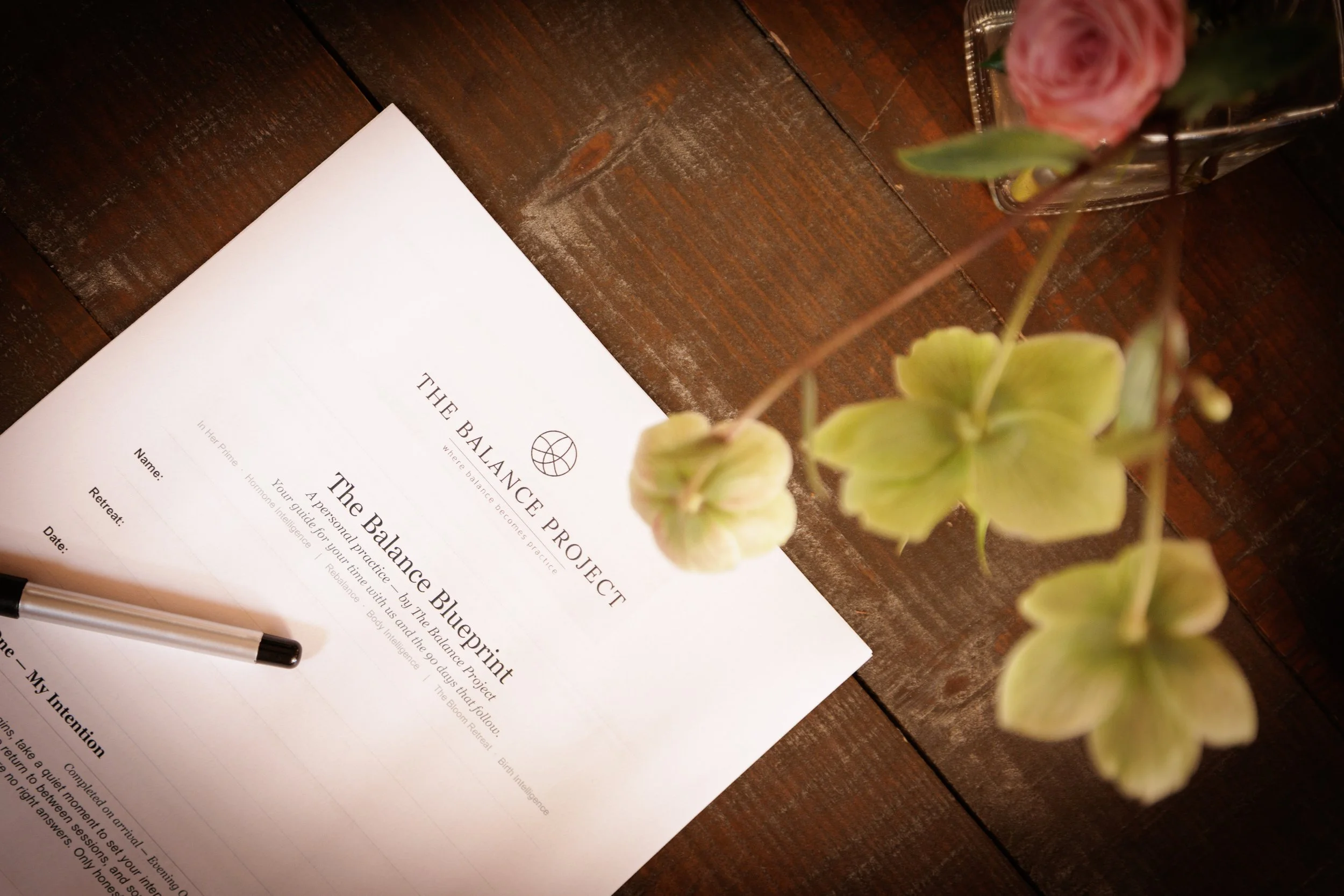
Mastering The Transition
Hormone Health, Perimenopause & Menopause Exclusive One-Day Workshop
12th September 2026 | Leinster Hotel, Dublin 2.
For women who want to understand their changing hormones, restore energy, and move through this next chapter with confidence.
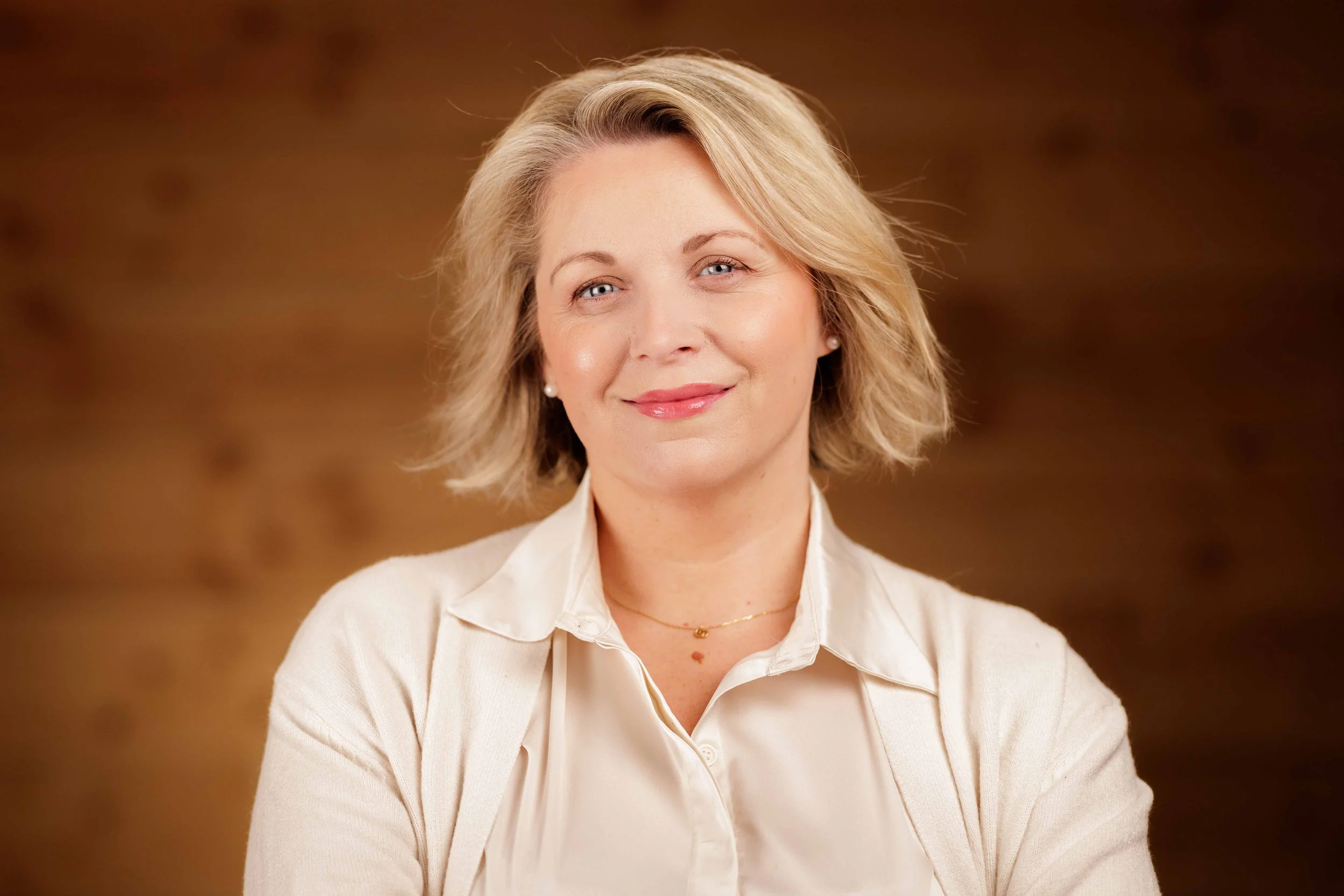
Article Written by Georgina Sliney McCormack (Co-Founder)
Working within healthcare, Georgie met people whose conditions had been treated, but whose energy, confidence and wellbeing remained depleted. She wanted to change this.