
It’s More Than a Period: Why Girls Need Better Menstrual Education
It’s more than a period: why better menstrual education matters for girls, parents, and the adults around them
A report titled "It’s More Than a Period: Menstrual Cycle Considerations in Female Athletes - A Coaches Perspective" offers an important reminder that feels highly relevant far beyond sport: girls need better support, better language, and better education around their menstrual cycle.
For The Balance Project, this matters deeply.
Because while this study focuses on coaches and female athletes, its message reaches into homes, schools, friendships, and family life too. It shows that the menstrual cycle is still too often misunderstood, oversimplified, or treated as awkward territory - even though it can affect health, confidence, emotions, participation, performance, and a young person’s relationship with her own body.
That is exactly why conversations with girls need to start earlier, feel safer, and be grounded in clear, practical, evidence-based understanding.
And that is exactly why Own It! matters.
What the study highlights
The report explored how coaches across Ireland support female athletes around the menstrual cycle, and what helps or hinders that support.
One of its clearest messages appears in the title itself: it is more than a period.
The report notes that the menstrual cycle is a biological rhythm that matters not only for reproduction, but for wider health. It can influence physical and psychological symptoms, wellbeing, readiness to participate, and performance. It also describes the menstrual cycle as an indicator of female health, which is a powerful reframing for young girls and the adults supporting them.
Importantly, the study found that understanding was mixed. Some coaches had useful awareness, but others held misconceptions about what the menstrual cycle actually is. The report states that almost half of coaches believed the menstrual cycle was just the period or bleeding stage, rather than the full cycle.
That is a telling finding.
If adults supporting girls do not fully understand the menstrual cycle, it becomes much harder to create the kind of informed, calm, supportive environment young people need.
Why this matters for teenagers
For a teenage girl, the menstrual cycle is rarely just a biological event.
It can be a new experience, an emotional experience, a confusing experience, and sometimes an isolating one. The report explicitly identifies "a new experience for youth female athletes" as part of the picture. That matters because it reflects a developmental reality: many girls are trying to understand what is happening in their body while also navigating identity, friendships, school pressure, sport, self-consciousness, and growing independence.
If the adults around them are uncomfortable, unclear, or under-informed, girls can quickly learn that this is something to minimise, hide, or simply "get on with."
That has consequences.
It can affect confidence. It can affect participation. It can affect communication. And it can shape how a girl feels about her body for years to come.
The communication gap is the real story
One of the most important insights in the report is that communication around the menstrual cycle is limited, even where support is needed.
The study makes clear that menstrual health literacy matters because it helps adults communicate more effectively and provide better support. It also highlights that roles and responsibilities are often unclear. One of the report’s themes - "If Not You Then Who?" - captures this perfectly.
In other words, many adults may recognise that girls need support, but feel uncertain about whose role it is to start the conversation, answer questions, or guide them well.
That is where parents matter enormously.
Parents are often the first and most trusted point of contact, but many have never been given good education themselves. Some may have grown up with silence, embarrassment, or incomplete information. Others may want to help but not know how to begin.
This is why parent and teen education together is so valuable. It closes the gap on both sides at once.
Why this supports The Balance Project’s Own It! workshop
At The Balance Project, our Own It! parent & teen intelligence workshop is built around a need that this report clearly supports: girls and their parents need practical, informed, confident conversations about the menstrual cycle and the changing female body.
This study reinforces several important truths that sit at the heart of Own It!:
The menstrual cycle is about more than bleeding. It connects to health, wellbeing, mood, readiness, and body awareness.
Adults often need education too. Misunderstandings among adults can limit the quality of support girls receive.
Young people need supportive language and safe conversation. Silence and uncertainty do not prepare girls well.
Practical guidance matters. The report specifically points to the need for simple, practical, evidence-informed guidelines to bridge the gap between theory and real life.
Individual experience matters. The report also highlights the individuality of the menstrual cycle, reminding us that no two girls will experience it in exactly the same way.
That is exactly the kind of space Own It! is designed to create.
Not a shame-based talk. Not a vague puberty conversation. Not a one-way lecture.
But a grounded, supportive, clinically informed experience that helps girls and parents build understanding together.
From awkwardness to confidence
One of the quiet but powerful implications of this research is that better education changes more than knowledge.
It changes confidence.
When girls understand the menstrual cycle more fully, they are better able to recognise what is normal, notice what may need attention, communicate what they are feeling, and stay connected to school, sport, and everyday life with greater self-trust.
When parents understand it better too, they are more able to respond without panic, embarrassment, or dismissal. They can ask better questions, offer steadier reassurance, and become a safer place for honest conversation.
That matters more than many people realise.
Because the goal is not simply to teach girls about periods.
The goal is to help them understand their bodies in a way that feels empowering rather than confusing, informed rather than shame-laden, and ordinary rather than secretive.
Why this conversation should start before there is a problem
Too often, girls only get deeper support once something feels difficult - painful periods, distress, withdrawal from sport, confusion, or emotional overwhelm.
But this report points to the value of earlier understanding. If the menstrual cycle is an indicator of health, and if it can shape how girls feel and function, then education should not be reactive. It should be proactive.
That is one of the strongest arguments for Own It!
By opening up evidence-based, age-appropriate conversation between parent and teen, the workshop helps build the kind of understanding that can support girls not just when challenges arise, but before silence, misinformation, or shame have a chance to take root.
More than information
For us at The Balance Project, this study supports something we believe strongly: girls deserve more than fragmented facts about puberty or periods.
They deserve context. They deserve confidence. They deserve body literacy. And they deserve adults around them who feel able to have these conversations well.
Our Own It! parent & teen intelligence workshop exists to support exactly that - helping girls and parents better understand the menstrual cycle, body changes, communication, and confidence through an evidence-based, supportive approach.
Because it really is more than a period.
It is knowledge. It is health. It is self-understanding. And for girls growing up, it can shape far more than one week of the month.

Own It! - Parent & Teen Workshop
Ireland’s only dedicated hormonal intelligence workshop for parents and teens
October 3rd 2026. 1pm-7pm | Airfield Estate, Dublin
For parents and teens (age 10-16) who want to understand hormonal change, strengthen communication, and navigate this important stage of life together.
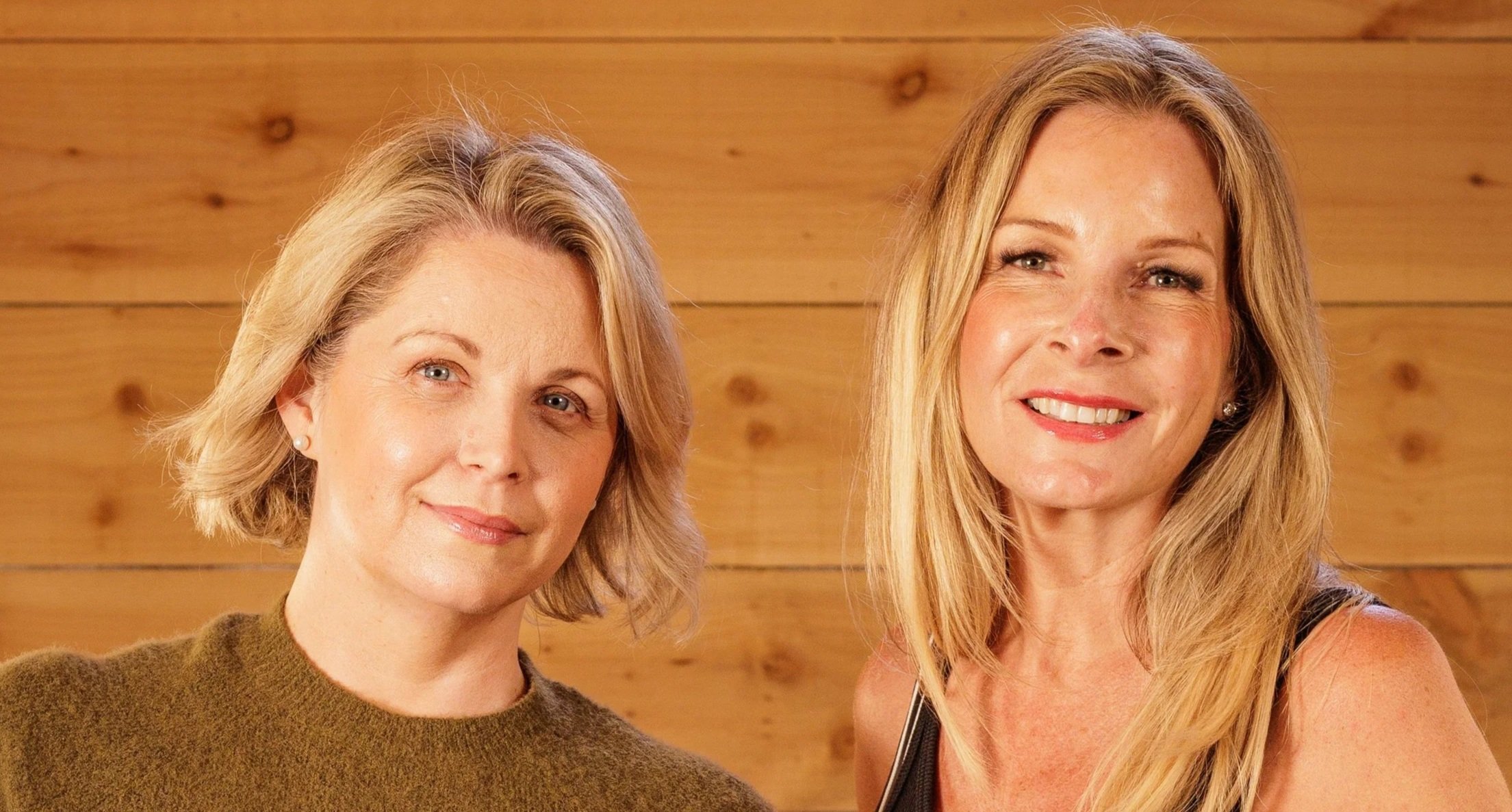
Blog by Georgie Sliney McCormack & Helen Flynn
Georgie and Helen are the co-founders of The Balance Project. Through their work, they are committed to making women's health information more accessible, informed, and empowering. They believe better conversations lead to better understanding, better support, and better outcomes for women.